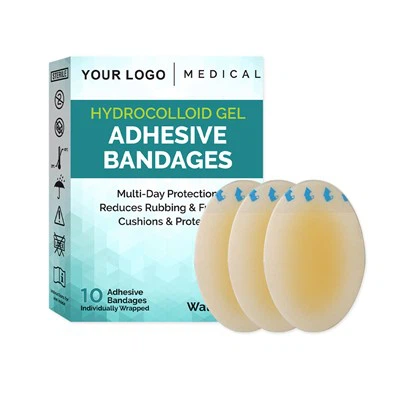



Wound care is an essential aspect of healthcare, and proper wound dressings are crucial for the healing process. Foam wound dressings are a popular option to treat wounds, especially on areas such as the elbow and heel that are prone to pressure and friction.

Structure
it made of a Soft, absorbent foam that is coated with a non-adhesive layer. This layer prevents the dressing from sticking to the wound bed and allows fluids to pass through to the foam layer, where it can be absorbed. The foam layer then locks in the exudate and creates a moist environment to promote healing.

Characteristics
* High Absorbency: Foam wound dressings are highly absorbent and can hold a significant amount of exudate. This property ensures that the wound remains moist, which is essential for healing.
* Soft and cushioning: Because foam wound dressings are soft and cushioning, they provide excellent protection for wounds on areas such as the elbow and heel. These areas are subject to pressure and friction, and foam wound dressings reduce the risk of further injury.
* Non-adherent: Foam wound dressings are non-adhesive, meaning they do not stick to the wound bed. This property reduces the risk of pain and trauma during dressing changes and ensures that the wound bed is not disturbed.
* Flexible: Foam wound dressings are flexible and can easily conform to the shape of the wound. This property allows for optimal wound coverage and protection.

Before absorbent

After absorbent
Advantages:
Promotes healing: Foam wound dressings create a moist environment that promotes healing. They provide excellent absorbency, which allows for the effective management of exudate, one of the leading causes of delayed wound healing.
Reduces risk of maceration: Because foam wound dressings are highly absorbent, they reduce the risk of maceration. Maceration occurs when the surrounding skin becomes too moist either due to inadequate wound coverage or prolonged exposure to moisture. It can delay the healing process and lead to further complications.
Easy to use: Foam wound dressings are easy to apply and remove. They are non-adhesive, and this makes dressing changes pain-free and hassle-free.
Comfortable: Foam wound dressings are comfortable to wear due to their soft and cushioning properties. They reduce pain and discomfort associated with wounds and promote faster healing.
Application:
Pressure ulcers: Foam wound dressings are effective in managing pressure ulcers, which are a common complication of immobilization and bed rest.
Venous leg ulcers: Foam wound dressings are also suitable for managing venous leg ulcers, which are caused by poor venous blood flow to the legs. These wounds require a moist environment to facilitate healing.
Surgical wounds: Foam wound dressings are commonly used to manage surgical wounds as they protect the wound from external factors such as pressure and friction.
FAQ
1. How often do I need to change the dressing?
The frequency of dressing changes depends on the amount of exudate and the condition of the wound. It is recommended to change the dressing every 3-4 days or sooner if the dressing becomes saturated.
2. Can foam wound dressings be used for all wounds?
Foam wound dressings are suitable for most wounds that require a moist environment for healing. However, they may not be appropriate for wounds with very little exudate or those with heavy bleeding.
3. Are foam wound dressings costly?
The cost of foam wound dressings can vary depending on the brand and the size of the dressing. However, they are widely available and can be purchased at most drugstores and medical supply stores. In general, foam wound dressings are affordable and cost-effective.
Hot Tags: Foam Wound Dressing for Elbow and Heel, China Foam Wound Dressing for Elbow and Heel manufacturers, suppliers, factory, Hydrocolloid wound dressing with foam, Hydrocolloid bandage, Hydrocolloid foam dressing, Hydrocolloid dressing foam, Hydrocolloid dressing with foam backing