





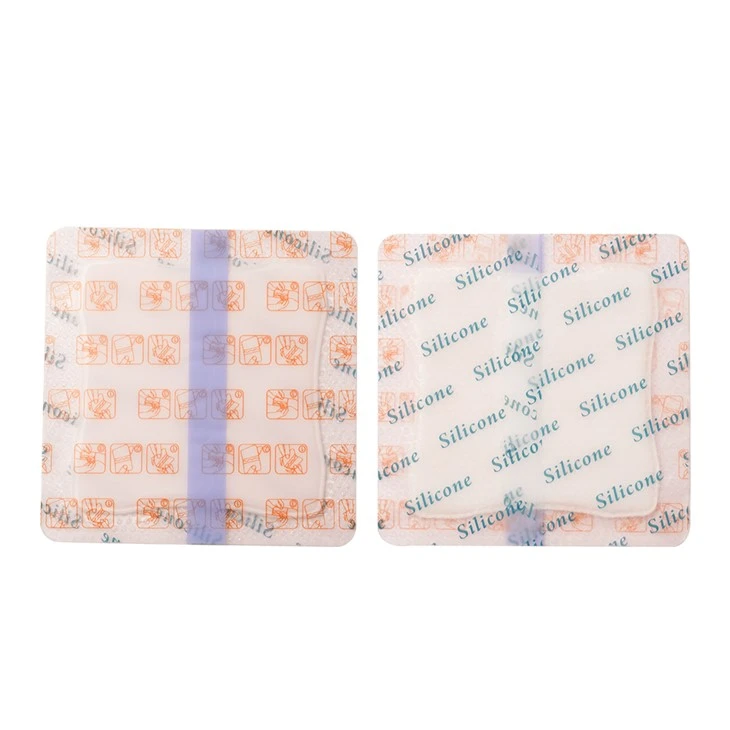

Products Description
Silicone foam dressing is a type of wound dressing that is made of a soft, silicone-based foam material. It is used to cover and protect wounds while promoting healing. The silicone layer is non-adhesive, which means it won't stick to the wound site and cause further damage or pain when removed. The foam material helps to absorb excess fluid and keep the wound moist to promote faster healing. Silicone foam dressings are commonly used for moderate to heavily exuding wounds, such as pressure ulcers, surgical wounds, and diabetic foot ulcers.
Silicone foam dressings are excellent at absorbing exudate from wounds. The foam pad is designed to soak up the fluid and retain it, preventing it from seeping out and causing infection. The silicone gel in the dressing does not stick to the wound, making it easy to remove without causing any damage. This application of silicone foam dressing is particularly useful for chronic wounds, such as pressure ulcers, that produce a lot of exudate.
Silicone foam dressings are also useful for protecting wounds from further injury or infection. The foam pad provides a cushioned barrier that prevents external factors like friction and pressure from affecting the wound. The silicone gel in the dressing creates a sterile environment that prevents the growth of bacteria and other microorganisms. This application of silicone foam dressing is particularly useful for wounds that are exposed to the environment, such as burns or surgical wounds.
Silicone foam dressings can also help facilitate the healing process of wounds. The foam pad in the dressing is designed to be gentle on the wound and provide a moist environment that promotes healing. The silicone gel creates a barrier that prevents the wound from drying out, which can impede the healing process. This application of silicone foam dressing is particularly useful for wounds that are difficult to heal, such as diabetic foot ulcers.
Silicone foam dressings can also help reduce pain associated with wound care. The foam pad provides a cushioned barrier that protects the wound from external factors, reducing pain caused by friction and pressure. The silicone gel in the dressing creates a sterile environment that can reduce pain associated with infection. This application of silicone foam dressing is particularly useful for wounds that are painful, such as those caused by second-degree burns.
In conclusion, silicone foam dressing has many applications in wound care. Its ability to absorb exudate, protect the wound, facilitate healing, and reduce pain makes it an ideal choice for many types of wounds. As a result, it is becoming increasingly popular and is quickly becoming a standard treatment option for wound care.
Products Composition

Application
Silicone foam dressing is used for the management of moderate to heavily exuding chronic and acute wounds such as:
1. Venous leg ulcers
2. Diabetic foot ulcers
3. Pressure ulcers
4. Surgical wounds
5. Traumatic wounds
6. Burns
7. Donor sites
Products parameters
As a top manufacturer on medical health field, we and provide different kinds and shapes, ODM/OEM is welcome.
Product Picture


One of the benefits of silicone foam dressings is that they can be left in place for several days, reducing the need for frequent dressing changes, which can be painful and disruptive for patients. However, the frequency of changing silicone foam dressings will depend on several factors:
1. Wound type and size: The size and severity of the wound will determine how often the dressing needs to be changed. Large, heavily exudating wounds may need to be changed more often than small, less severe wounds.
2. Amount of drainage: The amount of fluid draining from the wound will affect how often the dressing needs to be changed. If the dressing becomes saturated, it needs to be changed to prevent infection and promote healing.
3. Infection risk: If the wound is at risk of infection, the dressing may need to be changed more frequently to prevent the build-up of bacteria.
4. Patient comfort: The patient's comfort level should also be considered when determining how often to change the dressing. If the dressing is causing discomfort, it may need to be changed more often.
In general, silicone foam dressings can be left in place for up to seven days, depending on the above factors. However, it is important to monitor the wound regularly and change the dressing as needed to ensure optimal healing and prevent infection. A healthcare professional should be consulted for advice on how often to change the dressing.
Our factory

workshop

workshop

workshop

workshop
Hot Tags: Silicone Wound Dressing for Pressure Ulcer, China Silicone Wound Dressing for Pressure Ulcer manufacturers, suppliers, factory, closed wound dressing, wound natural dressing, wound dryness dressing, wound chilean dressing, wound peruvian dressing, pressure ulcer wound dressing


