




Products Description
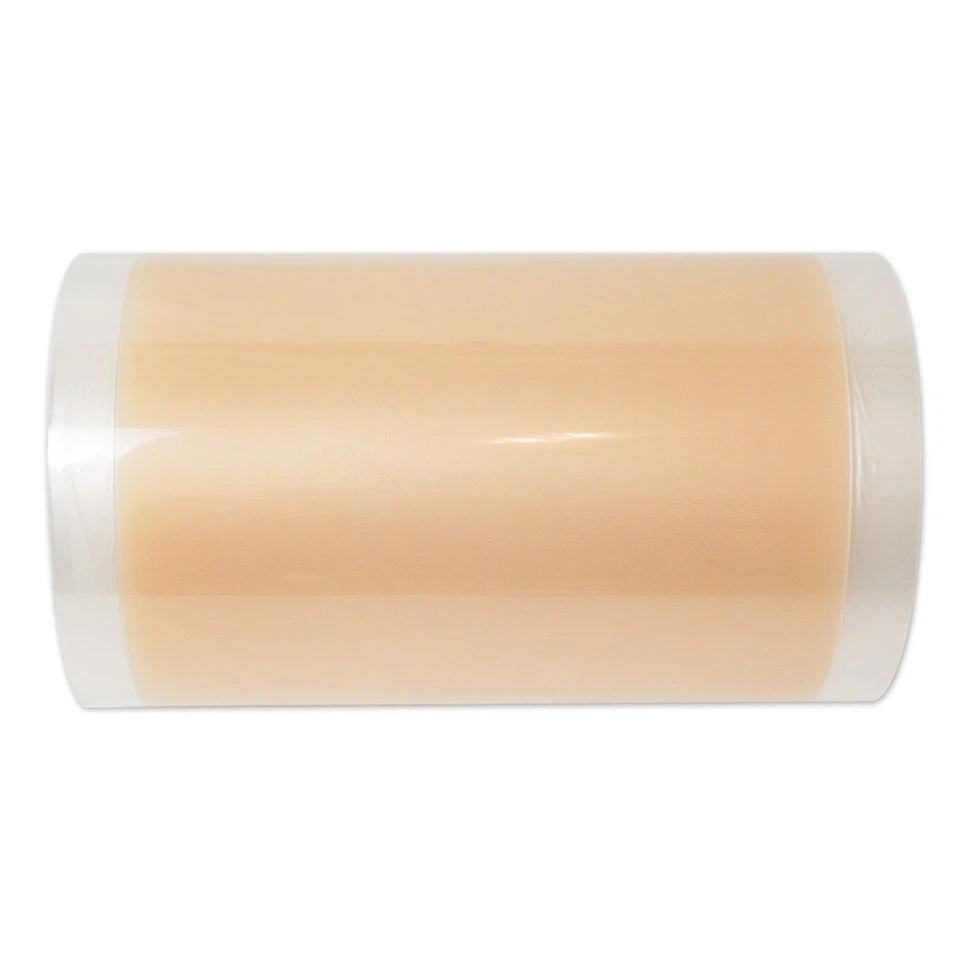
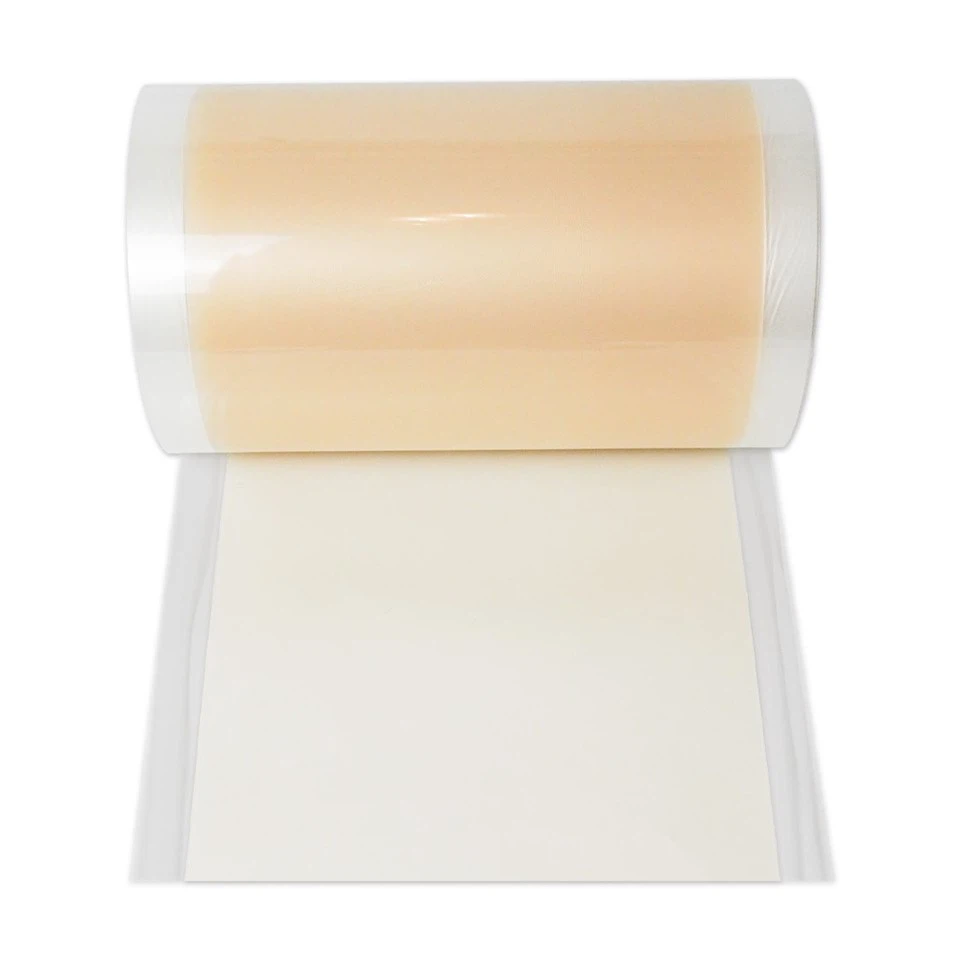
Hydrocolloid is composed of high molecular polymers (such as sodium carboxymethyl cellulose), and the core property is that they swell and form gels after absorbing liquids. In a dry state,
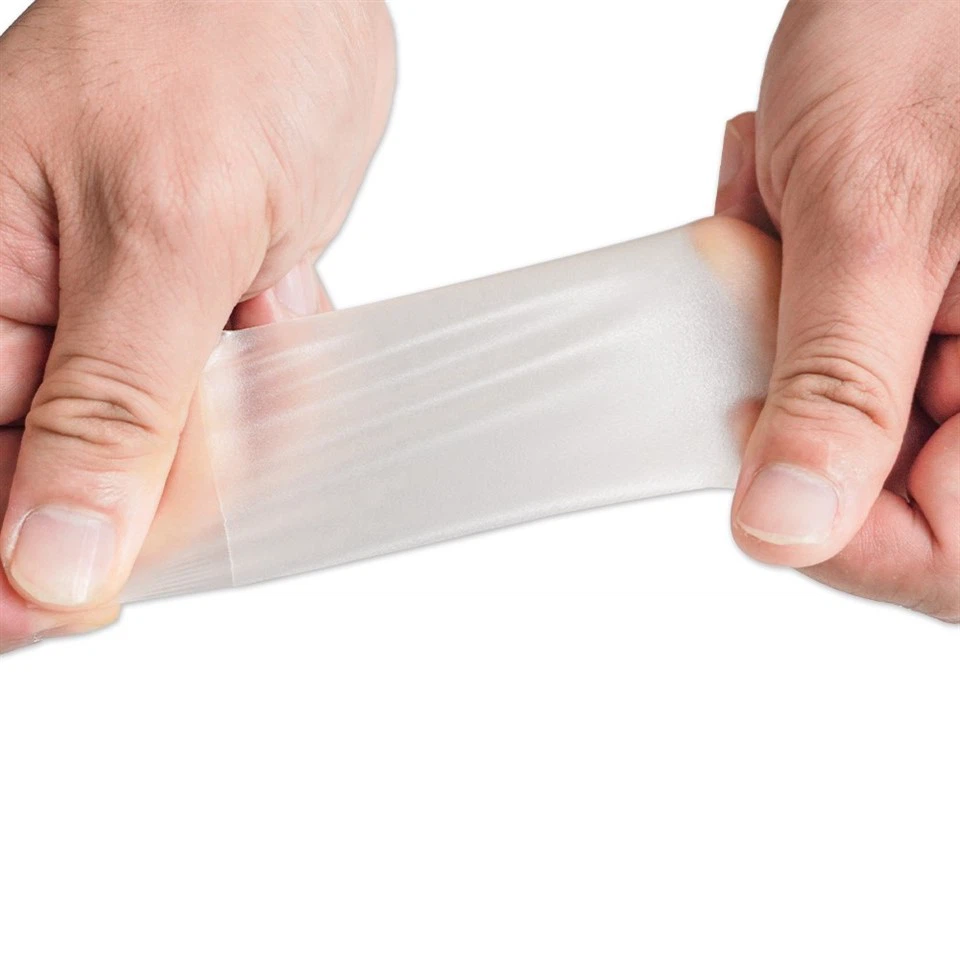
the substance has adhesive properties and fit tightly to the skin surface; when it comes into contact with exudate, the colloid components gradually dissolve,
forming a moist microenvironment that can lock in moisture to prevent the wound from drying out,
and moderately absorb excess exudate to balance the moisture on the wound surface.
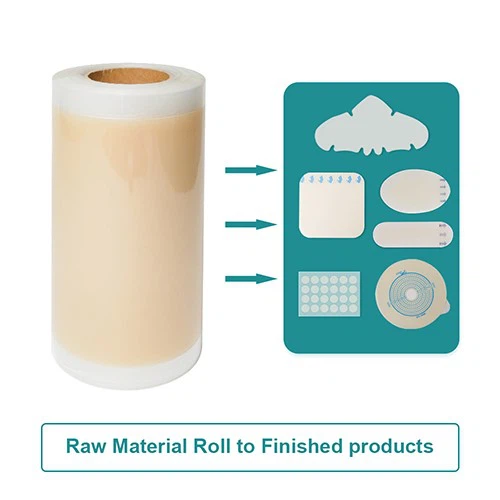
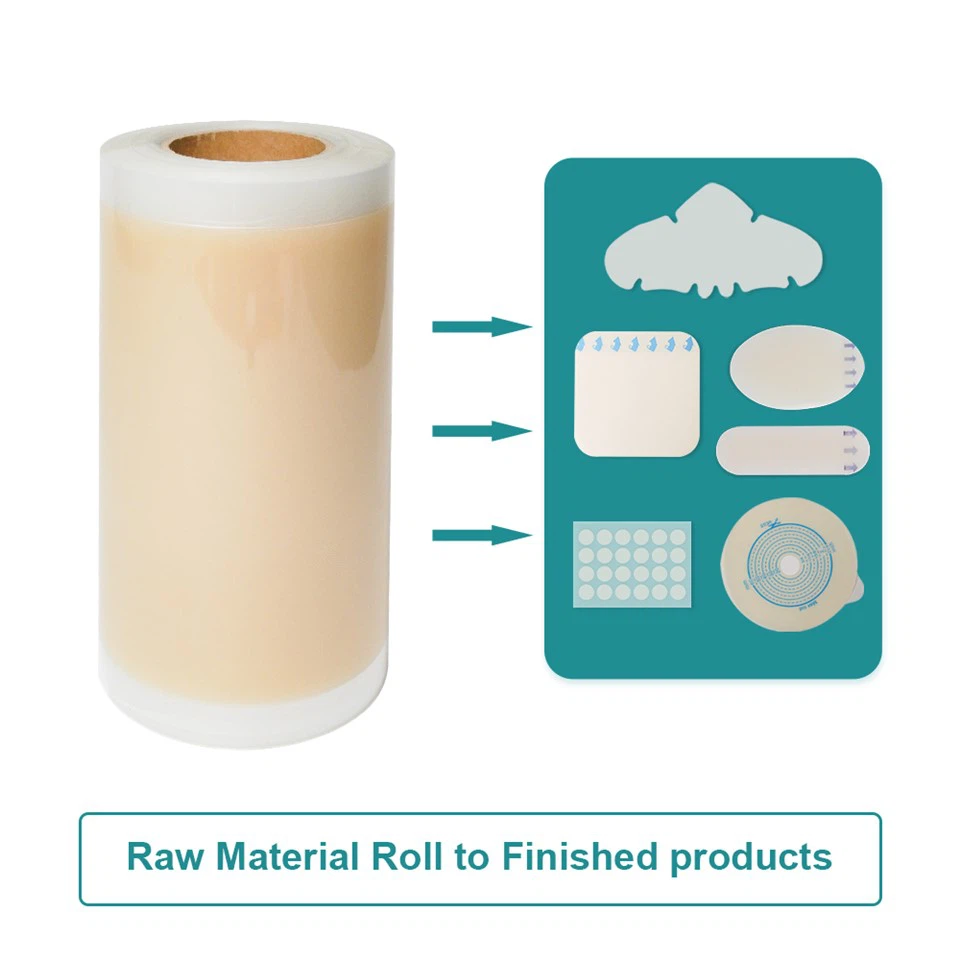
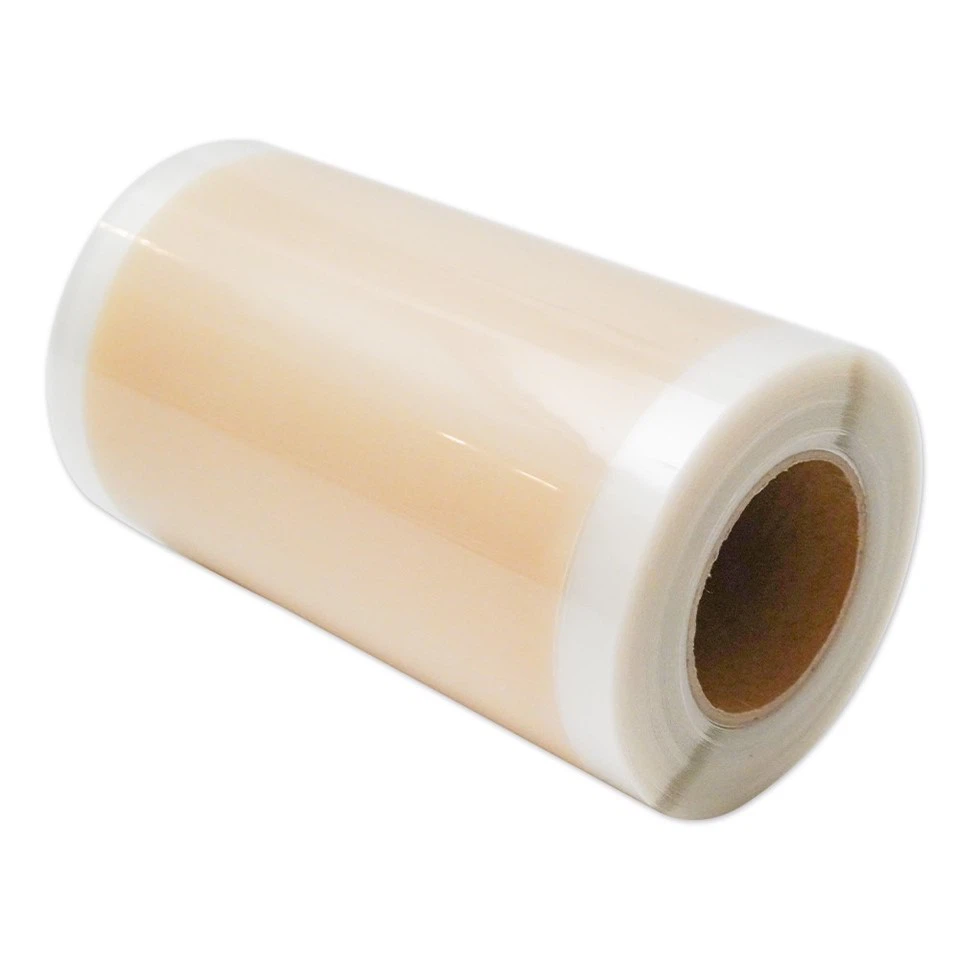
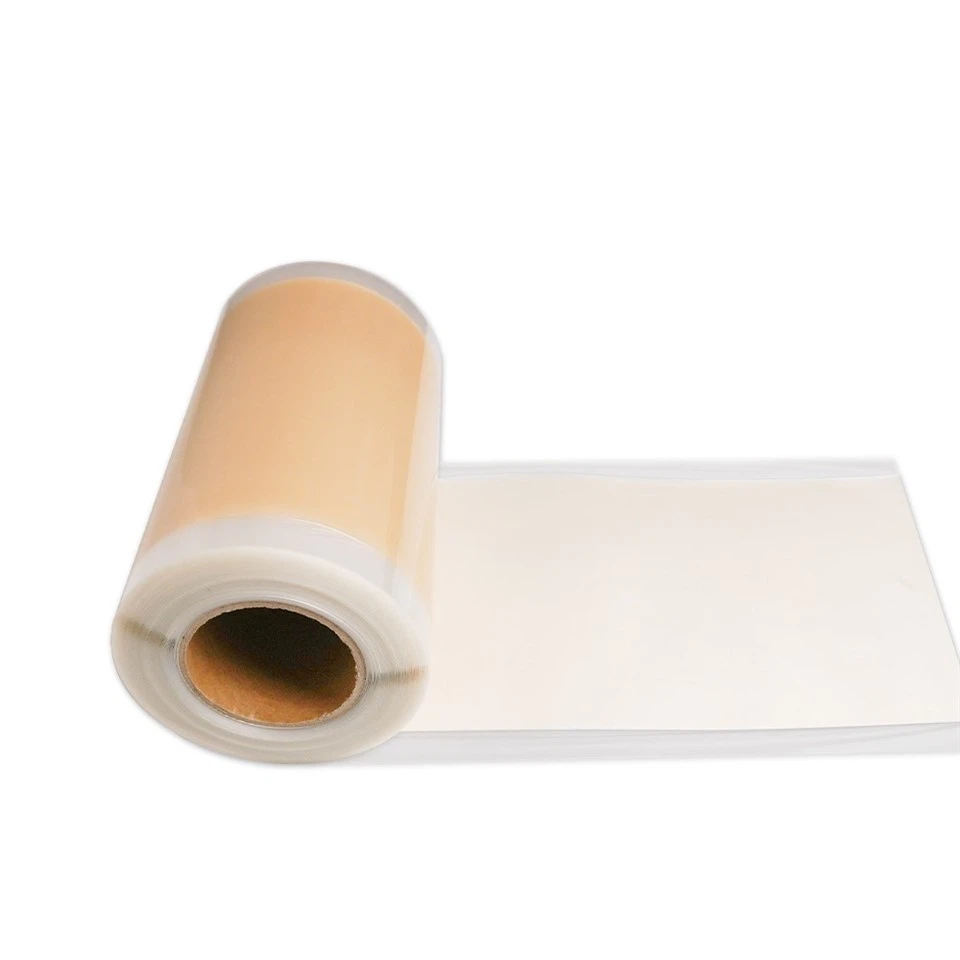
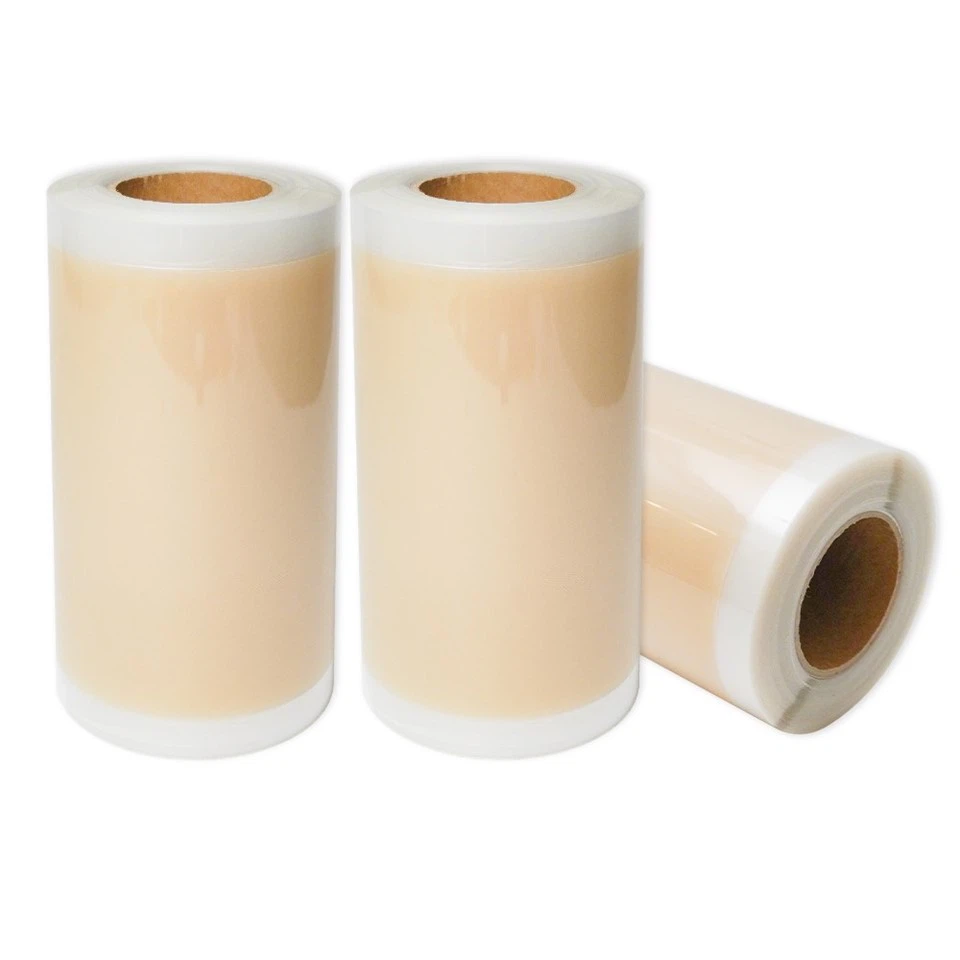
Hydrocolloid dressings are a typical application of hydrocolloid technology. The self-adhesive design avoids the need for additional fixing steps for traditional dressings and is suitable for superficial wound care. For example, in the management of chronic wounds such as pressure sores and diabetic foot ulcers, by maintaining a moderately moist state on the wound surface, epithelial cell migration and granulation tissue growth can be accelerated, shortening the healing cycle. Of course, hydrocolloid coils can also be processed into hydrocolloid blister bandages, acne patches, hydrocolloid nose patches, and ostomy bag accessories, depending on their thickness and characteristics.
Generally speaking, hydrocolloid raw material need to be processed into finished products, such as hydrocolloid dressings.
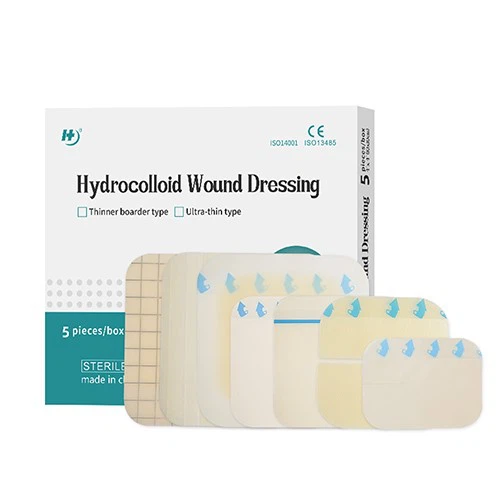
These are the hydrocolloid dressings we can provide:
1. Ultra-thin type.
2. Bordered type.
3. Sacral type, designed for bony protrusions (such as sacral pressure sores), with edges to reduce the risk of friction and detachment.
Note
Hydrocolloid dressings are suitable for superficial abrasions or postoperative incisions with a small amount of exudate, not for deep cavity wounds or infected wounds with a large amount of exudate.
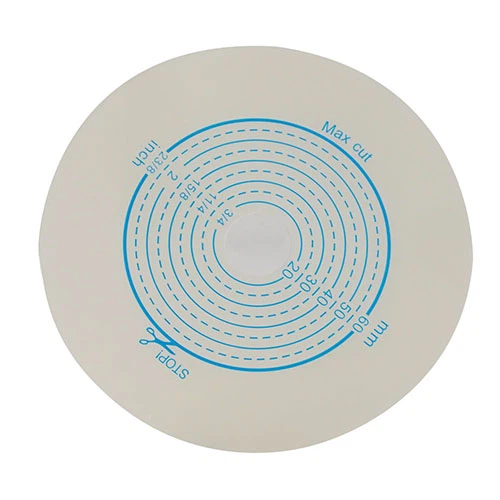
The accessories using hydrocolloid in ostomy bags mainly include the following categories:
1. The base adhesive layer, which uses hydrocolloid material, has high viscosity and low allergenicity, and enhances fit and comfort.
2. The inner ring of the base.
3. The anti-leakage ring is used to fill the gap between the base and the skin to prevent leakage. This type of accessories is usually used as auxiliary reinforcement.
The uses of hydrocolloid blister bandage:
1. Preventing foot friction injuries
It is suitable for preventive protection of the protruding parts of the foot (such as heels, toe joints, etc.).
2. Promoting wound healing
Providing a moist healing environment for the existing superficial wounds (such as friction blisters, corns, minor burns, skin cracks, etc.).
3. Reducing scar formation
The moist healing environment can reduce scabs and inhibit scar hyperplasia.
4. Comfort and aesthetics
Adopting translucent or skin-colored design, it is highly fit and invisible.
Unsuitable scenarios
Avoid using it on wounds with excessive exudate, infected wounds or deep injuries.

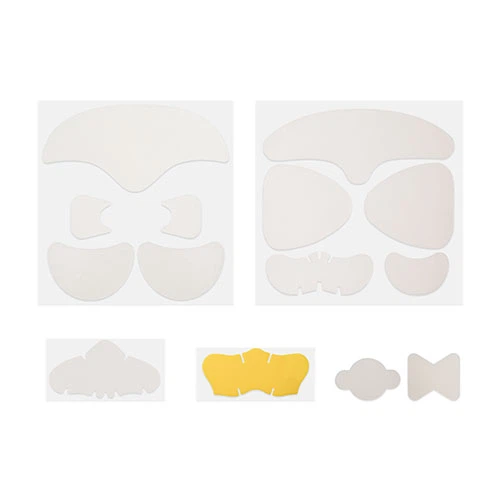
Hydrocolloid acne patche as the popular personal care product (especially among teenagers),currently.
Large-sized acne patches are suitable for large-area acne outbreaks, or for acne on the shoulders and back.
Hydrocolloid nose patches combined with other ingredients can effectively remove blackheads.
Other information
Standard
FDA Approved
Certification
CE
Protection Function
Promote wound healing
Protect wounds
Relieve pain
Easy to monitor wounds
Various shapes and sizes
Widely used
Product Material
Promote wound healing: Maintain moderate moisture on the wound surface, accelerate epithelial cell migration and granulation tissue growth, and shorten the healing cycle.
Protect wounds: Waterproof and antibacterial, protect wounds from external bacteria and viruses, and prevent wound drying and excessive exudation.
Relieve pain: Moist microenvironment help relieve wound pain.
Easy to monitor wounds: The translucent or transparent properties enable medical staff to better evaluate and monitor wound conditions.
Various shapes and sizes: Adapt to the needs of different wounds and anatomical sites, such as the sacrum, heel, etc.
Precautions for use
Hydrocolloid dressings are suitable for wounds with less exudation, so they are suitable for superficial, medium-depth wounds, and wounds with small exudation. They are not recommended for deeper wounds. When tearing off the hydrocolloid dressing, should be gentle and avoid violent pulling to avoid damaging the skin, which is not conducive to the recovery of the wound.
Hot Tags: Medical Hydrocolloid Wound Dressing Jumbo Roll, China Medical Hydrocolloid Wound Dressing Jumbo Roll manufacturers, suppliers, factory, raw material rotational molding, raw material powder metallurgy, raw material industry, raw material sintering, raw material development, raw material photoluminescence


