
Are you tired of waiting for your hair to grow? Do you dream of having long, luscious locks but feel like your hair is growing at a snail's pace? You're not alone. Many people struggle with slow hair growth, but the good news is that there are several things you can do to encourage faster hair growth. As a Cosmetic&Beauty supplier, I'm here to share some science - backed tips with you.
Understanding Hair Growth
Before we dive into the tips, it's important to understand how hair grows. Hair growth occurs in three phases: the anagen phase (growth phase), the catagen phase (transition phase), and the telogen phase (resting phase). During the anagen phase, which can last anywhere from two to seven years, the hair follicles are actively producing new hair cells. The length of this phase determines how long your hair can potentially grow. On average, hair grows about half an inch per month, but this rate can vary depending on factors such as genetics, age, diet, and overall health.
Nutrition for Hair Growth
One of the most important factors in promoting hair growth is nutrition. Just like the rest of your body, your hair needs a balanced diet to thrive. Here are some key nutrients that are essential for healthy hair growth:
- Protein: Hair is primarily made up of a protein called keratin. Ensure that you're getting enough protein in your diet by consuming lean meats, fish, eggs, beans, and nuts. A lack of protein can lead to weak, brittle hair and slow growth.
- Biotin: Also known as vitamin B7, biotin plays a crucial role in the production of keratin. Good sources of biotin include eggs, avocados, sweet potatoes, and almonds.
- Vitamin C: This antioxidant helps protect hair follicles from damage caused by free radicals. Citrus fruits, strawberries, bell peppers, and spinach are all rich in vitamin C.
- Vitamin D: Vitamin D helps create new hair follicles. It can be obtained from sunlight exposure, as well as from foods like fatty fish, fortified dairy products, and egg yolks.
- Iron: Iron is necessary for carrying oxygen to the hair follicles. Red meat, poultry, beans, and fortified cereals are excellent sources of iron.
Scalp Care
A healthy scalp is the foundation for healthy hair growth. Here are some tips to keep your scalp in good condition:
- Keep it Clean: Regularly washing your hair helps remove dirt, oil, and product buildup that can clog hair follicles and impede growth. However, be careful not to over - wash, as this can strip your scalp of its natural oils.
- Exfoliate: Just like your skin, your scalp can benefit from exfoliation. Use a gentle scalp scrub once or twice a week to remove dead skin cells and promote blood circulation.
- Massage: Scalp massages increase blood flow to the hair follicles, which can stimulate hair growth. You can use your fingertips to gently massage your scalp in circular motions for a few minutes each day.
Hair Care Routine
Your daily hair care routine can also have a significant impact on hair growth. Here are some best practices:


- Use the Right Products: Choose shampoos and conditioners that are formulated for your hair type. Look for products that contain ingredients like biotin, keratin, and plant extracts that are known to promote hair growth.
- Avoid Heat Styling: Excessive heat from hair dryers, straighteners, and curling irons can damage hair and slow down growth. If you must use heat styling tools, use a heat protectant spray and keep the temperature on the low side.
- Be Gentle: Avoid rough handling of your hair, such as brushing it when it's wet or using tight hair ties. Wet hair is more fragile and prone to breakage. Instead, use a wide - tooth comb to detangle your hair gently.
Supplements
In addition to a healthy diet, supplements can also help boost hair growth. Some popular hair growth supplements include:
- Multivitamins: A good quality multivitamin can ensure that you're getting all the essential vitamins and minerals your hair needs. Look for a multivitamin that contains biotin, vitamin C, vitamin D, and iron.
- Omega - 3 Fatty Acids: These healthy fats can help reduce inflammation in the scalp and promote hair growth. You can take omega - 3 supplements or consume foods like salmon, chia seeds, and walnuts.
Lifestyle Factors
Your lifestyle choices can also affect hair growth. Here are some lifestyle changes you can make to encourage faster hair growth:
- Get Enough Sleep: During sleep, your body repairs and regenerates cells, including those in your hair follicles. Aim for 7 - 9 hours of quality sleep per night.
- Manage Stress: Chronic stress can lead to hair loss and slow down growth. Find healthy ways to manage stress, such as exercise, meditation, or yoga.
- Exercise Regularly: Physical activity improves blood circulation throughout the body, including to the scalp. Aim for at least 30 minutes of moderate - intensity exercise most days of the week.
Our Related Product Recommendations
At our Cosmetic&Beauty supply, we offer a range of high - quality products that can complement your hair growth journey. Additionally, we also have some great acne - related products that can help you maintain clear and healthy skin while you focus on growing your hair.
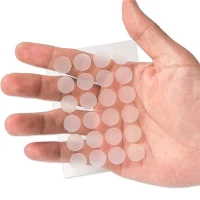
- Hydrocolloid Round Shape Acne Patches: These patches are designed to absorb excess oil and pus from acne, helping to speed up the healing process.
- Hydrocolloid Acne Patches Nose Pore Strips: Ideal for removing blackheads and impurities from the nose pores, keeping your skin clean and clear.
- Hydrocolloid patches for Acne Prone Skin: Specially formulated for acne - prone skin, these patches provide a soothing and healing effect.
- Acne Patch for Pimple Popping Care: Help repair the skin after pimple popping and prevent further inflammation.
- Acne Spot Treatment Patches with Tea Tree: The tea tree ingredient has antibacterial properties, making it effective for treating acne spots.
Contact Us for Procurement
If you're interested in purchasing our hair - growth products, acne patches, or other beauty and cosmetic items, we're here to assist you. We offer high - quality products at competitive prices, and our team is dedicated to providing excellent customer service. Don't hesitate to reach out to us for procurement and let's discuss how we can meet your needs.
References
- "The Biology of Hair Follicles" by Ralf Paus and George Cotsarelis, New England Journal of Medicine.
- "Nutritional and Dietary Supplements for Hair Loss: A Review" by Mary L. Stevenson and Kira E. Newman, Dermatologic Clinics.
- "Stress and Hair Loss: Trichologic Considerations" by Liping Fu and Julie V. Schaffer, Journal of the American Academy of Dermatology.