
When it comes to IV dressing, one question that often pops up is, "Can IV dressing be cut to size?" As an IV dressing supplier, I've heard this query numerous times from healthcare providers, patients, and even caregivers. In this blog post, I'll share my insights on this topic and provide some practical advice.
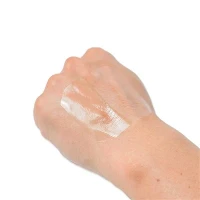
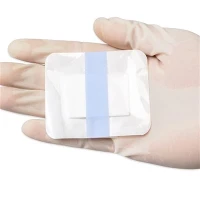
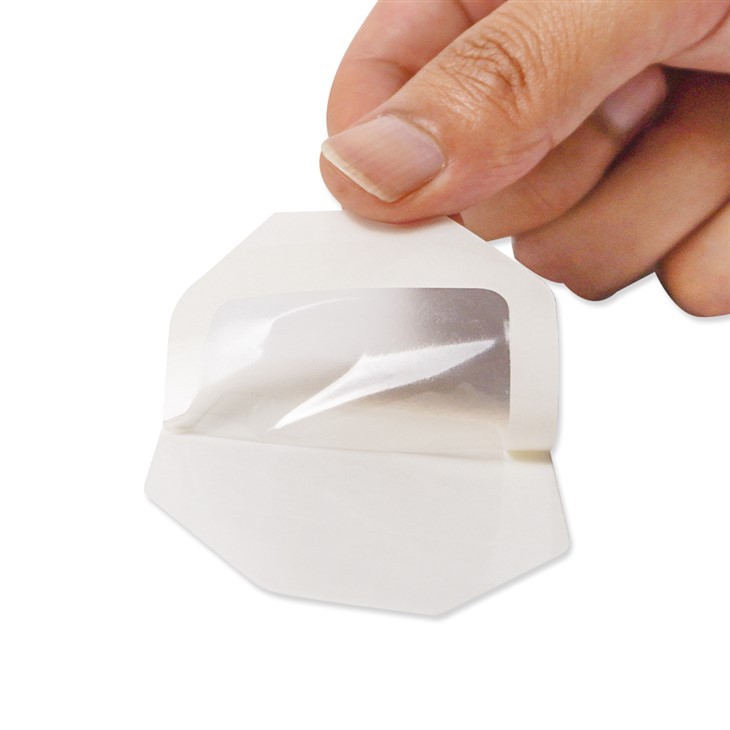
First off, let's understand what IV dressing is. IV dressings are used to cover and protect the site where an intravenous (IV) catheter is inserted. They help prevent infection, keep the catheter in place, and provide a barrier against moisture and contaminants. There are different types of IV dressings available in the market, including Transparent Film Dressing For Tummy Tuck, Transparent Self-Adhesive Wound Bandage, 6*7cm I.V. Cannula Dressing for Fixing PICC, Transparent Film Dressing With Absorbent Pad, and Transparent Large Wound Care Bandage.
Now, back to the question: Can IV dressing be cut to size? The short answer is yes, in most cases. Cutting an IV dressing to size can be a practical solution, especially when you need to fit the dressing to a specific area or when you want to conserve the dressing material. However, there are some important factors to consider before you start snipping.
Factors to Consider When Cutting IV Dressing
1. Sterility
Maintaining sterility is crucial when dealing with IV dressings. Any break in the sterile field can introduce bacteria and increase the risk of infection. If you need to cut an IV dressing, make sure you do it in a clean environment using sterile scissors. Wash your hands thoroughly and wear gloves to prevent contamination.
2. Adhesive Integrity
The adhesive on an IV dressing is designed to keep the dressing in place and create a seal around the catheter site. When you cut the dressing, be careful not to damage the adhesive. If the adhesive is compromised, the dressing may not stick properly, which can lead to leakage and an increased risk of infection.
3. Dressing Material
Different IV dressings are made from various materials, such as transparent film, foam, or gauze. Some materials may be more prone to fraying or curling when cut. Before cutting, check the manufacturer's instructions to see if they recommend cutting the dressing. If not, it may be best to use a pre-cut dressing that fits your needs.
4. Catheter Type and Placement
The type of catheter and its placement can also affect whether you can cut the IV dressing. For example, if you have a peripherally inserted central catheter (PICC), you may need a specific type of dressing that is designed to fit the catheter and provide adequate coverage. In some cases, cutting the dressing may not be appropriate or may require special techniques.
How to Cut IV Dressing Safely
If you've decided that cutting the IV dressing is the right option for you, here are some steps to follow:
- Gather Your Supplies: You'll need a pair of sterile scissors, the IV dressing, and a clean surface to work on.
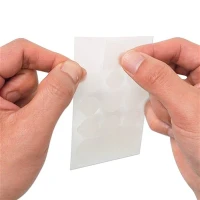
- Prepare the Dressing: Remove the dressing from its packaging and place it on the clean surface. Make sure the dressing is flat and free of wrinkles.
- Measure and Mark: Use a ruler or measuring tape to measure the area where you want to place the dressing. Mark the dressing with a pen or marker to indicate where you want to make the cuts.
- Cut the Dressing: Use the sterile scissors to carefully cut the dressing along the marked lines. Make sure the cuts are straight and clean.
- Inspect the Dressing: After cutting, inspect the dressing for any signs of damage or fraying. If the dressing looks damaged, discard it and use a new one.
- Apply the Dressing: Once you've cut the dressing to size, apply it to the catheter site according to the manufacturer's instructions. Make sure the dressing is centered over the catheter and that the edges are sealed properly.
When Not to Cut IV Dressing
While cutting IV dressing can be a useful technique, there are some situations where it's not recommended:
- If the dressing is pre-cut: Some IV dressings come in pre-cut sizes that are designed to fit specific catheter types or areas. In these cases, cutting the dressing may compromise its effectiveness.
- If the dressing has a special design: Some IV dressings have a special design, such as a built-in port or a fenestration, that is important for their function. Cutting the dressing may damage these features and make the dressing less effective.
- If you're unsure: If you're not sure whether you should cut the IV dressing, it's best to consult with a healthcare professional. They can provide you with specific advice based on your situation.
Conclusion
In conclusion, cutting IV dressing to size can be a practical solution in many cases, but it's important to do it safely and carefully. By considering the factors mentioned above and following the proper techniques, you can ensure that the dressing provides adequate protection and helps prevent infection.
If you're in the market for high-quality IV dressings, look no further. As a leading supplier, we offer a wide range of IV dressings, including Transparent Film Dressing For Tummy Tuck, Transparent Self-Adhesive Wound Bandage, 6*7cm I.V. Cannula Dressing for Fixing PICC, Transparent Film Dressing With Absorbent Pad, and Transparent Large Wound Care Bandage. Our products are designed to meet the highest standards of quality and safety. If you're interested in learning more about our products or would like to place an order, please don't hesitate to contact us. We're here to help you find the right IV dressing solutions for your needs.

References
- Meakins, J. L., & Demetriades, D. (Eds.). (2003). Complications in trauma surgery. WB Saunders.
- Sener, S. F. (2006). Surgical infections: Diagnosis and management. Informa Healthcare.
- Taylor, C., Lillis, C., & LeMone, P. (2011). Fundamentals of nursing: The art and science of nursing care. Lippincott Williams & Wilkins.