




The Key advantages: breathability, water resistance, and self-adhesion, effectively isolating bacteria and providing a physical buffer.

Indications
Superficial Wound Care: Suitable for wounds with minimal exudate, such as blisters, corns, heel abrasions, or skin pressure injuries caused by shoe wear.
Chronic Problem Relief: Relieves pain caused by plantar fasciitis and heel spurs by reducing friction and distributing pressure.
Preventive Protection: Used during the break-in period of new shoes or during extended walking to prevent heel skin damage.
How to use
Preparation: Clean the heel skin and remove grease and dirt with warm water or saline. Ensure it is completely dry to enhance adhesion.
Remove the protective paper from the patch and apply the adhesive surface evenly to the painful or injured area (such as the bottom of the heel), ensuring there are no bubbles or wrinkles.
Press the edges of the patch for 1-2 minutes to strengthen the adhesion and prevent it from falling off.
Replacement : The patch needs to be replaced when it turns white or swells after absorbing exudate, usually every 6-12 hours; check the fit after daily activities and replace it in advance if there is excessive sweating.


Heel blister care tips
Blister Management Principles
Small blisters (<1cm in diameter)
Maintain an intact skin barrier and expose to dryness only after disinfection.
Do not puncture with a needle.
Large blisters (≥1cm in diameter) or tension blisters
Iodine disinfection → Low-level puncture drainage → Gentle pressure to drain exudate → Leave the epidermis covered.
Care Procedures
Cleaning and Disinfection
Irrigate the wound and surrounding area with normal saline and disinfect with iodine (avoid alcohol irritation).
Dressing Selection and Covering
Hydrocolloid dressing (preferred):
Cut to 2cm larger than the edge of the blister and fit snugly to the heel curve.
Gel forms after absorbing fluid, accelerating healing (replacement interval: exudate spreads to the edge of the dressing or turns milky white).
Alternative: Cover with sterile gauze and secure with breathable tape (needs to be changed daily).
Activity Management
Resist wearing abrasive shoes and socks. Pre-apply dressings to areas prone to friction to prevent new blisters.
Precautions and Contraindications:
Do not peel off the blister (increases the risk of infection).
Do not use steroid ointments on athlete's foot blisters (as they may exacerbate the spread of the fungus).
Infection Warning: Seek medical attention immediately if redness, swelling, pus, or fever occurs.
Special Populations: Diabetics require professional treatment even for small blisters.

Hydrocolloid blister band aid series
Discover more interesting designs
| Products |
 |
 |
 |
 |
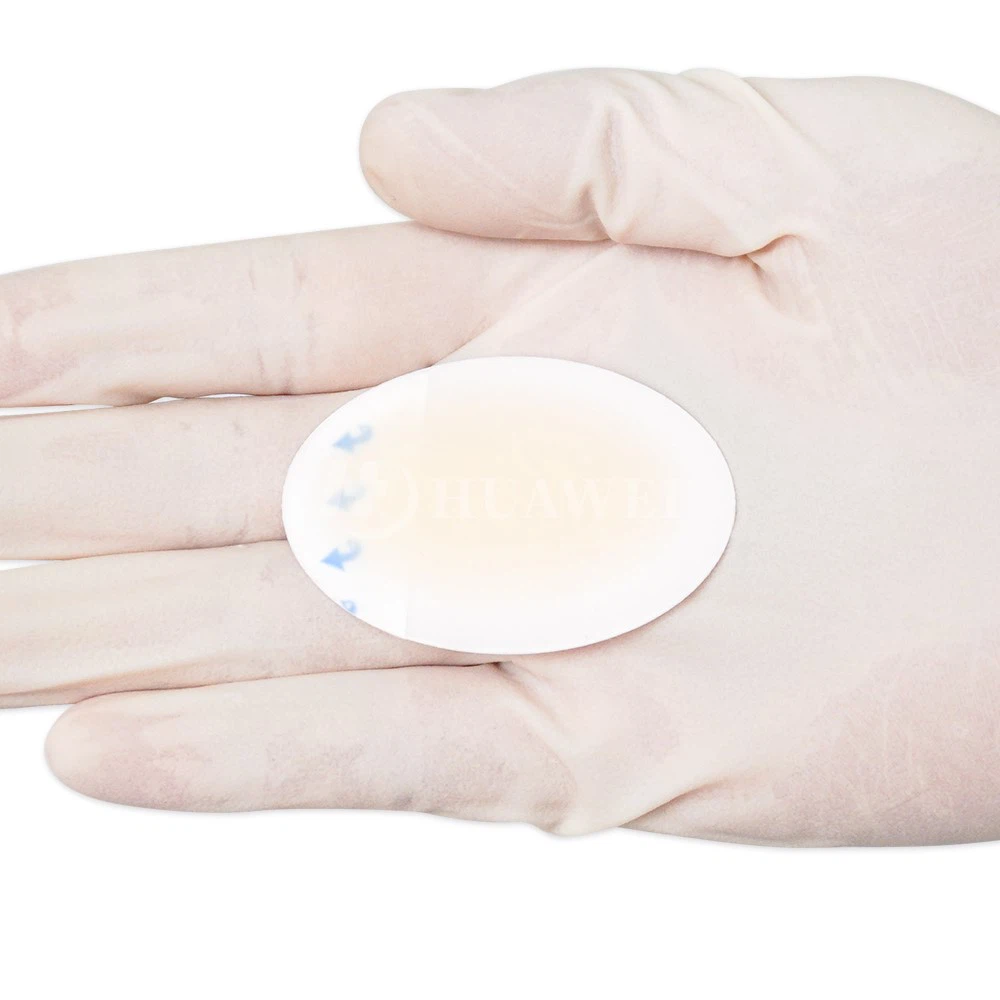
| Model number | Triangular heel pad | Oval blister bandage | Band Aid Strip | hydrocolloid band Aid |
| Regular size | 4.1*4.5cm | 4.2*6.2cm | 2.5*6.5cm | 2*6cm |
| Certificate | CE/MDR | CE/MDR | CE/MDR | CE/MDR |
| Packaging | Individually sterilized packaging | |||
| country of origin | China | |||
| service | OEM/ODM/CDMO | |||
| Manufacturer | YES | |||
Hot Tags: hydrocolloid bandage bandaid for blister, China hydrocolloid bandage bandaid for blister manufacturers, suppliers, factory, Hydrocolloid dressing with foam backing, Hydrocolloid wound dressing with foam, Hydrocolloid foam dressing, Hydrocolloid dressing foam, Hydrocolloid bandage


