



Bandage Types
Bandage types can be divided into the following four categories based on their function, material, and intended use:
Classification by Functional Characteristics
Basic Protective Bandage
Ordinary Bandage: Contains a non-medicated core, provides only physical isolation and protection, and is suitable for cleaning minor wounds.
Breathable Bandage: Uses a porous material to promote air circulation and reduce stuffiness, making it suitable for summer or areas prone to sweating.
Enhanced Bandage
Waterproof Bandage: Contains a waterproof membrane (such as a transparent PU film) to block moisture penetration and keep wounds dry during showering.
Medicated Bandage: Contains disinfectants such as benzalkonium chloride to assist in killing and inhibiting bacteria, reducing the risk of infection.
Classification by Size and Shape
Standard Size
Regular Size: Universal size (e.g., 72 x 19 mm), suitable for covering minor wounds.
Stretch Size: Contains elastic fiber (approximately 76 x 25 mm), conforms to joint movements, and offers enhanced resistance to shedding.
Special Shape
Butterfly/Round Shape: For use on uneven surfaces such as fingertips and joint curves (e.g., 51 x 45 mm butterfly shape).
Extra Wide Size: Larger size (e.g., 90 x 40 mm), suitable for covering larger abrasions or postoperative wounds.


Classification by Intended Audience and Scenario
Children's Specialty
Features a cartoon-themed design, a softer material, and a size that's perfect for children's fingers (e.g., a 22mm diameter round patch).
Medical Professional
Professional
This has a higher sterility level and is commonly used for postoperative incisions or chronic ulcer care. Some patches contain silver ions for antibacterial properties.
Material and Usage Precautions
Material Differences: Medicated patches primarily use a non-woven fabric with a drug layer; waterproof patches use a transparent waterproof film.
Contraindications:
Do not use on burns, deep wounds, or infected, suppurative wounds to avoid exacerbating the infection due to heat.
Select elastic patches for joints to prevent friction and detachment.
Tips: When choosing, you need to consider the location of the wound, the amount of exudate, and the protection needs. For example, for daily waterproofing, you can choose a transparent sticker, and for children, you can choose a cartoon medical sticker to reduce resistance.
Bandage materials can be categorized into the following core types based on their function and structure:
Surface Adhesive Material
Non-woven Fabric
This material offers excellent breathability and a soft, hypoallergenic fiber structure, making it suitable for daily use on minor wounds and sensitive skin. However, due to its lack of elasticity, it can easily fall off at joints.
Elastic Material (Spandex/Stretch Fabric)
This material offers high stretchability, adheres tightly to joints (such as fingers and knees), and resists displacement during movement. Some materials also include a waterproof coating.
ETS Fabric
This flesh-colored fabric with stretch on one side offers both breathability and adhesion, making it the primary material for bandages to adhere to the skin.
Core Functional Layer Material
Absorbent Pad (Gauze/Composite Fiber)
This layer contains either a medicated (e.g., benzalkonium chloride) or unmedicated cotton, and is used to stop bleeding, protect the wound, and absorb exudate. Some materials also include ventilation holes to maintain dryness. Hydrocolloid (Sodium Carboxymethyl Cellulose)
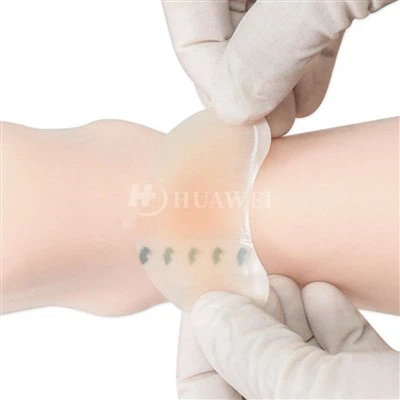
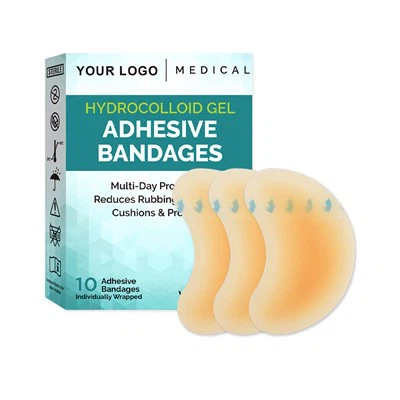
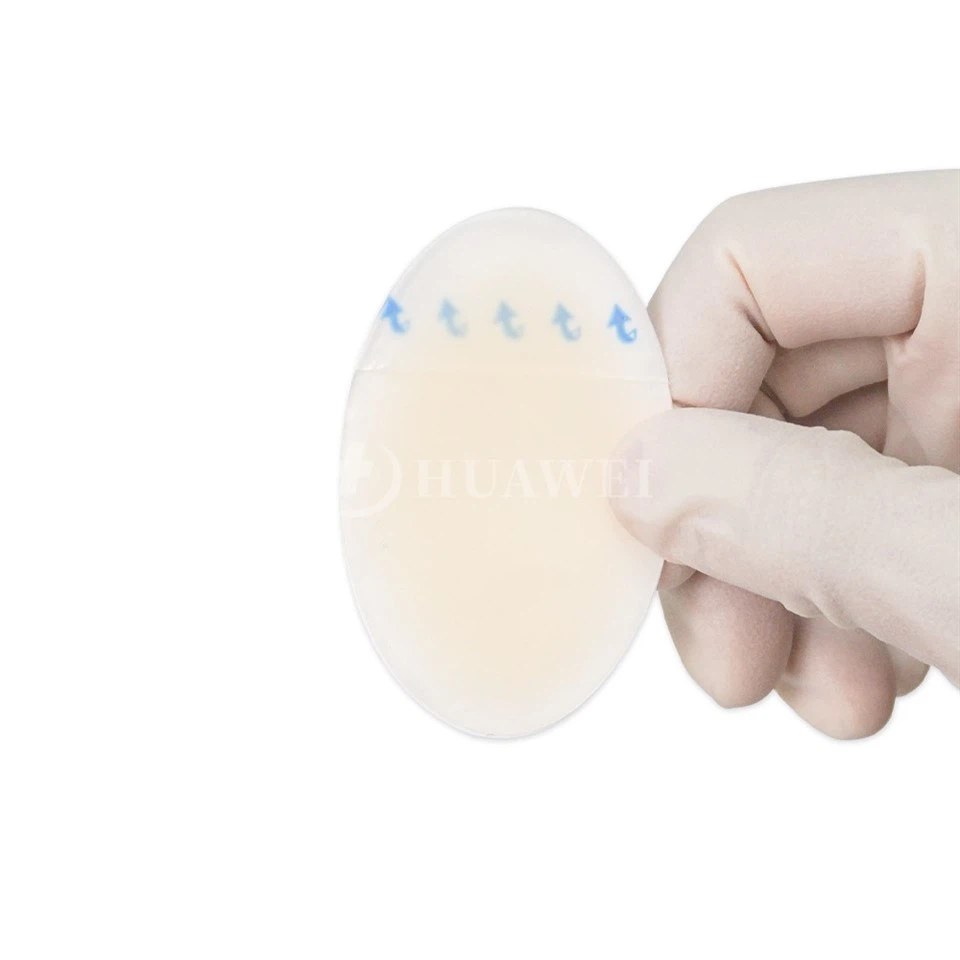
This absorbs exudate and forms a gel, providing a moist healing environment. It is waterproof and facilitates autolytic debridement (often used in high-end dressings).
Special Functional Coatings
Waterproof Membrane (PU): This covers the surface to block moisture and protect the wound during bathing.
Silicone Layer: Reduces sticking pain during dressing changes and improves comfort (upgraded medical grade)

| Usage scenarios | Recommended Material Combinations |
| Daily minor wounds | Non-woven fabric + drug-free absorbent pad |
| Joint motion area | Stretch fabric + waterproof coating |
| Exudative wounds | ETS cloth + high absorbent hydrocolloid layer |
| Sensitive skin/children | Non-woven fabric + silicone isolation layer |
Note: Band-aids are only suitable for minor epidermal injuries. Do not use on deep wounds, infected wounds, or burns. When choosing a band-aid, consider its breathability, elasticity, and absorbency.
Hot Tags: hydrocolloid blister plasters for heel foot, China hydrocolloid blister plasters for heel foot manufacturers, suppliers, factory, Hydrocolloid bandage, Hydrocolloid dressing foam, Hydrocolloid dressing with foam backing, Hydrocolloid foam dressing, Hydrocolloid wound dressing with foam