

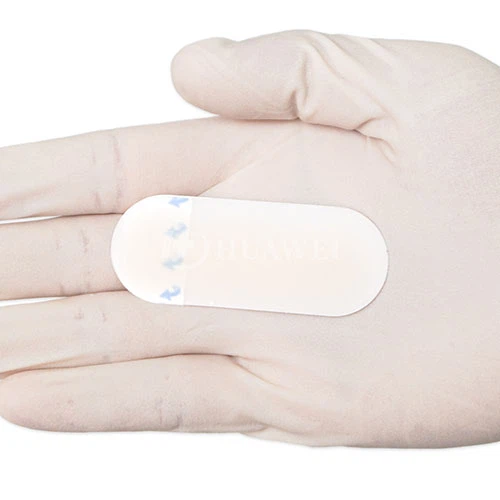
Why should we treat blisters properly?
Increased Risk of Infection: When blisters rupture or self-picked, the exposed wound surface is susceptible to bacterial invasion, potentially leading to local infection, suppuration, or more serious skin inflammation. Improper treatment, such as removal of the blister wall, significantly increases the risk of infection.
Persistent Pain and Functional Disorders: Blisters cause severe pain, interfering with walking or standing, and in severe cases, limiting mobility. Long-term non-healing may develop into chronic pain or affect joint function.
Blister Formation and Complications: Violent friction can damage blood vessels, forming blisters and increasing the risk of bleeding. Blisters absorb slowly, leaving behind hyperpigmentation or scarring.
Secondary Problems: In humid environments, ruptured blisters may lead to fungal infections (such as tinea pedis), resulting in symptoms such as itching and peeling, and may even spread to other areas.
The care for heel blisters requires targeted measures based on the size of the blisters, whether they are broken, and your personal health condition:
Basic Care Principles
Immediately stop rubbing.
Resist walking or change to loose, breathable shoes and socks to prevent pressure from rupturing blisters.
Keep it clean and dry.
Wash the affected area daily with clean water and dry thoroughly. Moisture can breed bacteria.
Avoid self-puncture.
Try to keep small blisters (<5mm) intact. The blister wall acts as a natural barrier; puncturing increases the risk of infection.
Specific Treatment Measures
Unruptured Blisters
Small blisters: Disinfect with iodine-containing topical solution, then cover with sterile gauze or a specialized dressing. Large blisters: Have a healthcare professional aspirate the fluid with a sterile syringe, leaving the blister wall covering the wound. Then apply an antibacterial ointment (such as mupirocin).
Broken blisters:
Debridement and disinfection: Disinfect the wound surface and surrounding skin with iodine in a circular motion from the center outward.
Bandage: After applying the antibacterial ointment, cover with sterile gauze (avoid using an occlusive bandage).
Wet compresses to promote healing: If there is excessive exudate, apply a 3% boric acid solution-soaked gauze compress three to four times daily for 30 minutes each time.
Precautions for Special Populations:
Diabetic patients: Even small blisters require prompt medical attention to prevent infection and diabetic foot.
Recurrent blisters: If blisters are accompanied by itching and peeling, they may be a fungal infection (such as athlete's foot). An antifungal medication (such as terbinafine cream) should be used for at least four weeks.
Accelerate healing and prevent recurrence:
Reduced activity: Avoid standing or walking for extended periods during the healing period.
Topical repair agents: Apply growth factor gel or healing solution to promote skin regeneration.
Preventative measures: Wear well-fitting shoes and socks. Apply petroleum jelly or protective tape to the heels before exercise to reduce friction.
Keep feet dry and disinfect shoes and socks regularly.
Key tips: If redness, swelling, pus, or fever develops around the blister, this indicates a worsening infection and requires immediate medical attention.

More information
Standard
ISO14001
Certification
MDR/CE
Protection
Accelerates repair: By locking in moisture to create a moist microenvironment, it promotes epidermal cell migration and collagen synthesis, shortening the healing period of blisters or abrasions.
Product benefits
Cushioning Frictional Pressure
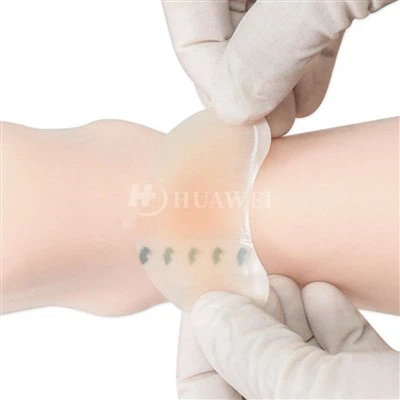
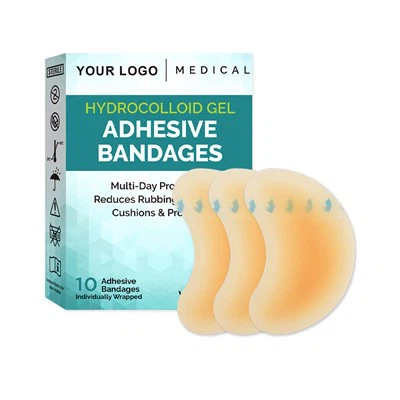
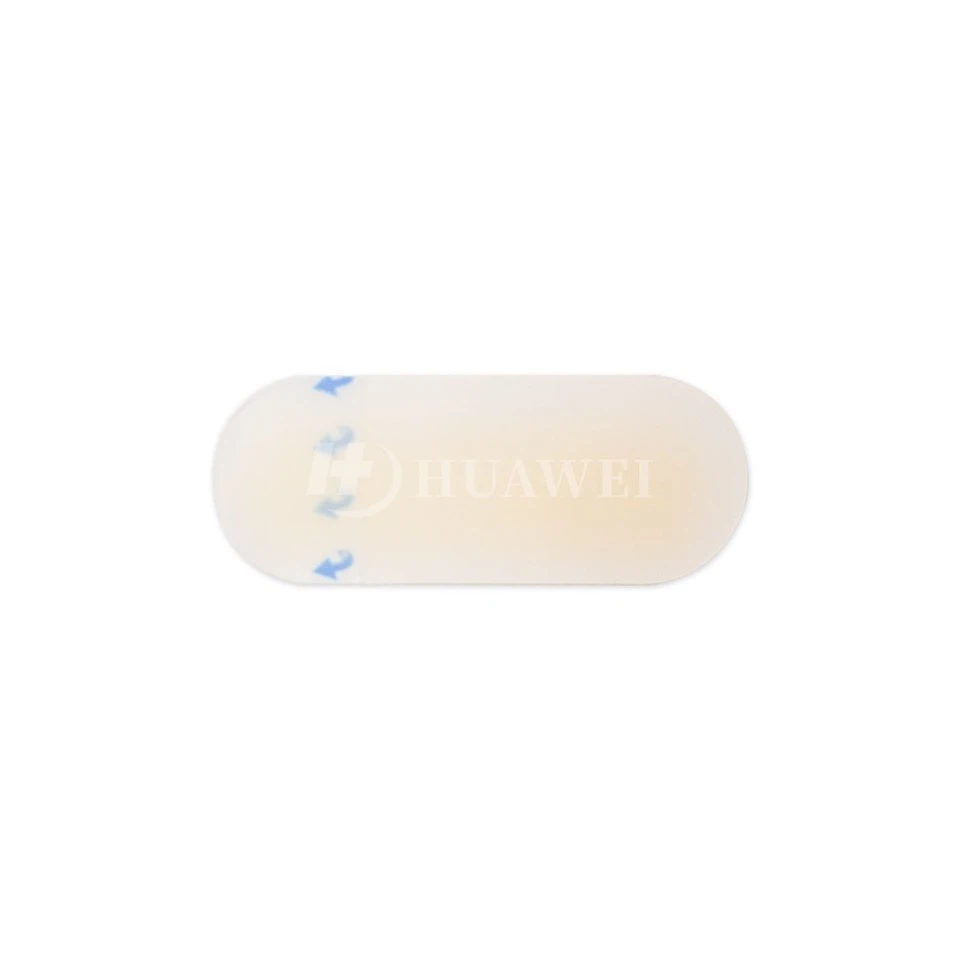
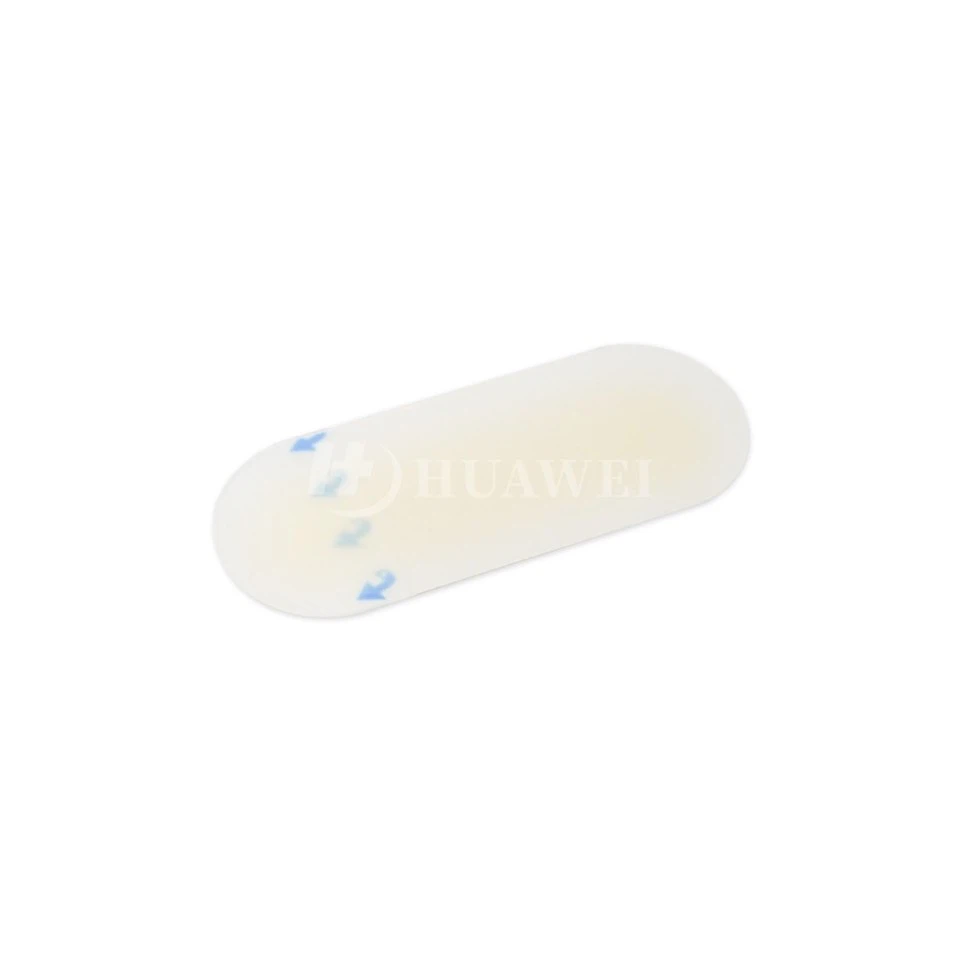
The hydrocolloid material is soft and elastic, conforming to the curve of the heel and effectively dissipating localized pressure from footwear during exercise or walking. Its smooth polyurethane film reduces direct friction between the foot and the shoe, preventing blisters from forming or worsening.
Maintaining a Moist Healing Environment
Absorbing Exudate: Components such as sodium carboxymethylcellulose and sodium alginate in the hydrocolloid absorb wound exudate, preventing fluid accumulation and irritation.
Accelerating Repair: By locking in moisture and creating a moist microenvironment, it promotes epidermal cell migration and collagen synthesis, shortening the healing cycle of blisters or abrasions.
Antibacterial and Infection-Preventing: Reduces the risk of infection after a heel injury. The occlusive dressing design also prevents external contaminants from reaching the wound.
Relieving Pain and Discomfort
Physical Isolation: Covering blisters or broken skin reduces pain caused by external irritation. Warming effect: Some herbal foot patches can stimulate blood circulation by providing localized warmth, helping to relieve heel fatigue or rheumatic pain. (Note that not all hydrogel patches have this function.)
How to use
Clean and Dry Heels
Wash your heels and surrounding skin thoroughly with warm water and soap. Pat dry and keep completely dry to prevent any residual moisture from affecting the adhesiveness.
Choose the Appropriate Size
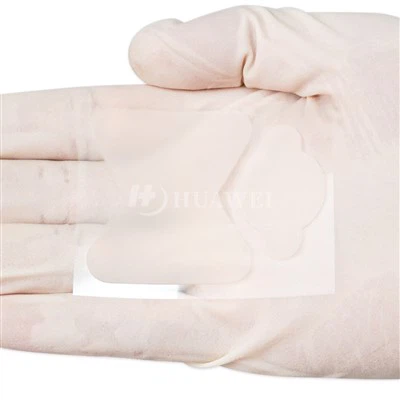
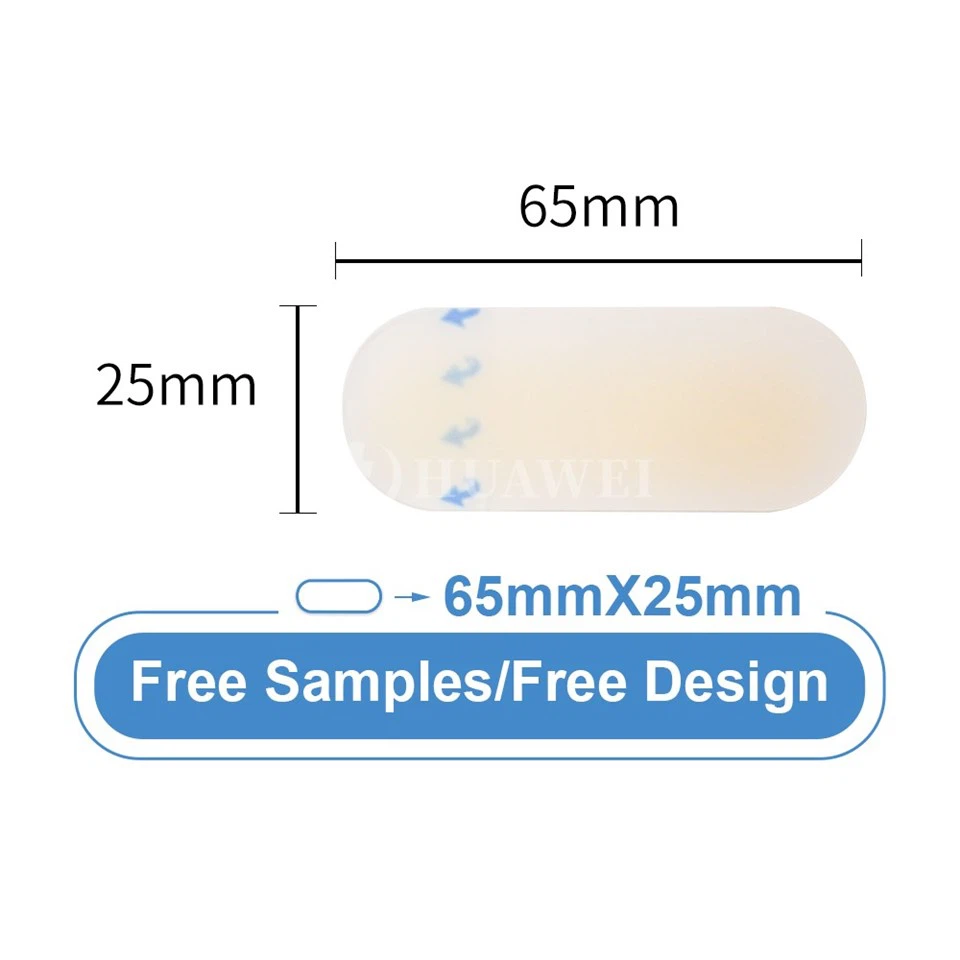
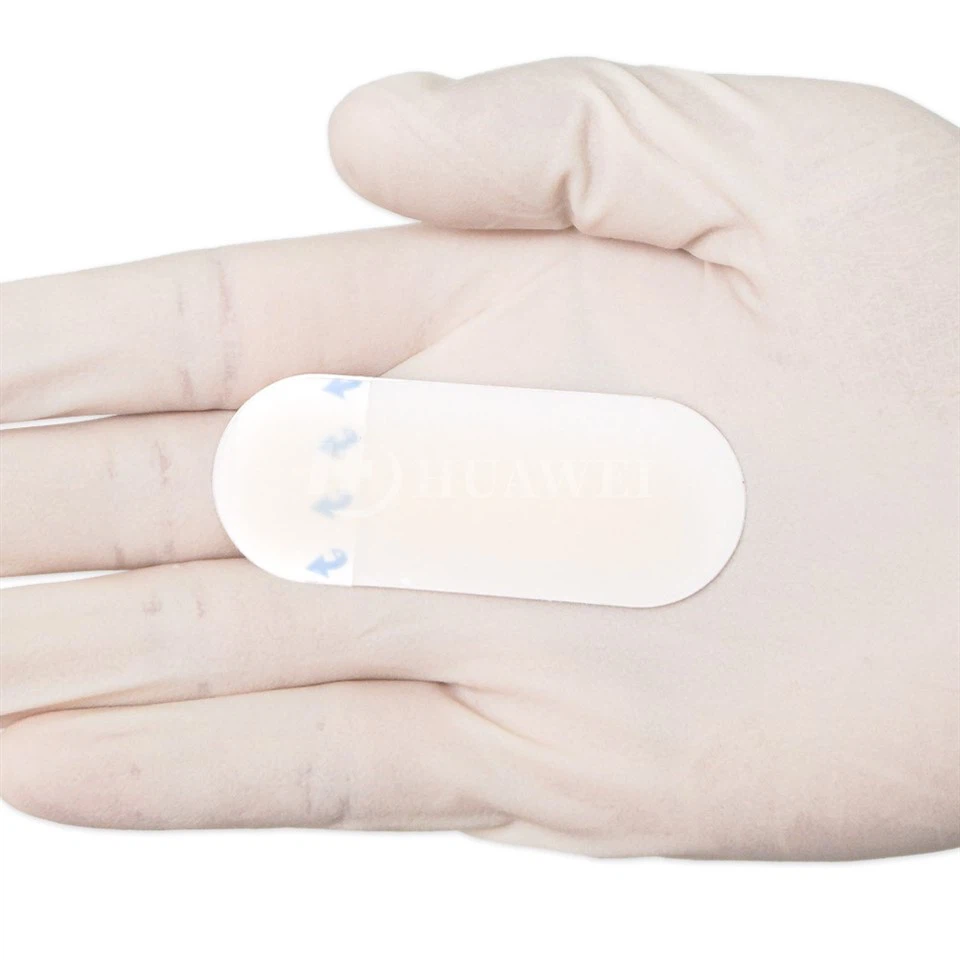
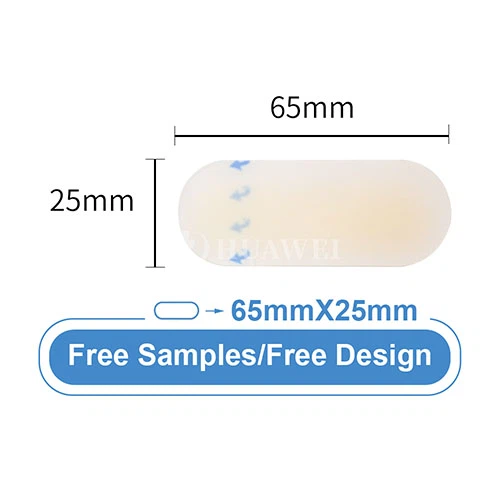
Select the patch based on the size of the blister or area of irritation. It should completely cover the wound and extend 1-2 cm beyond the edges (e.g., 3 cm x 5 cm for small blisters, 10 cm x 10 cm for larger abrasions).
Apply
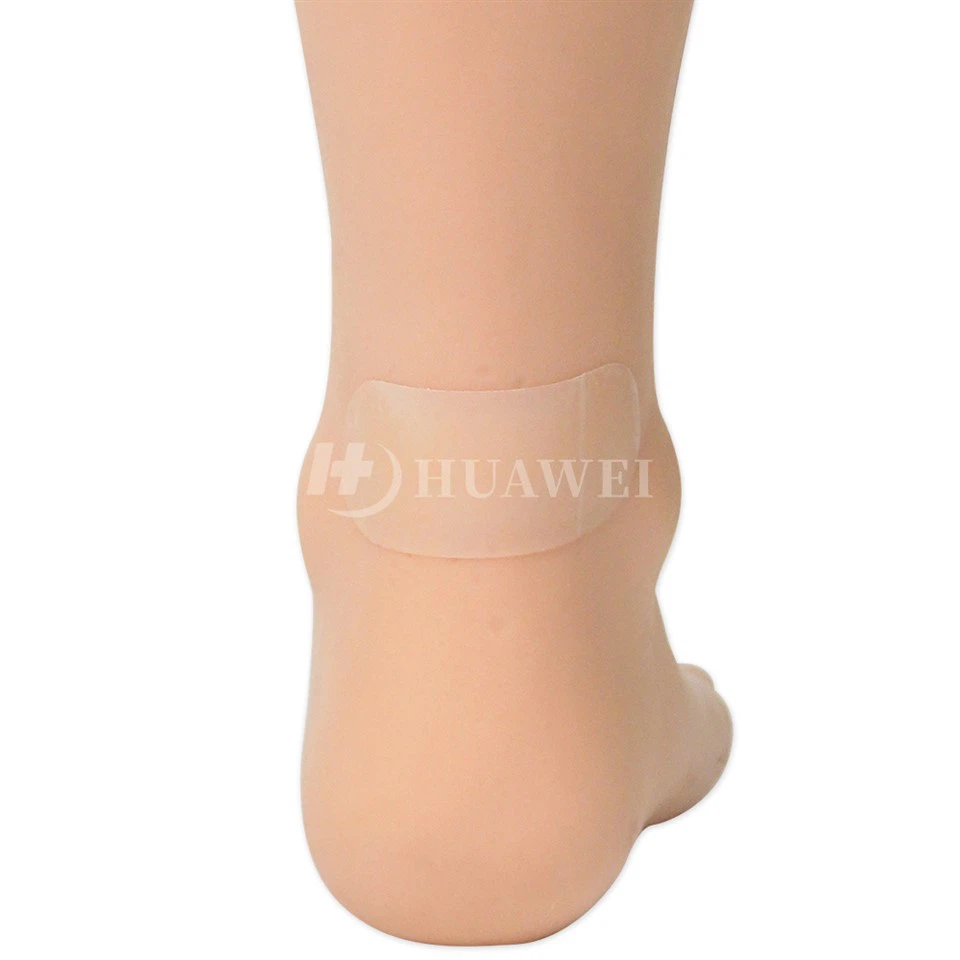
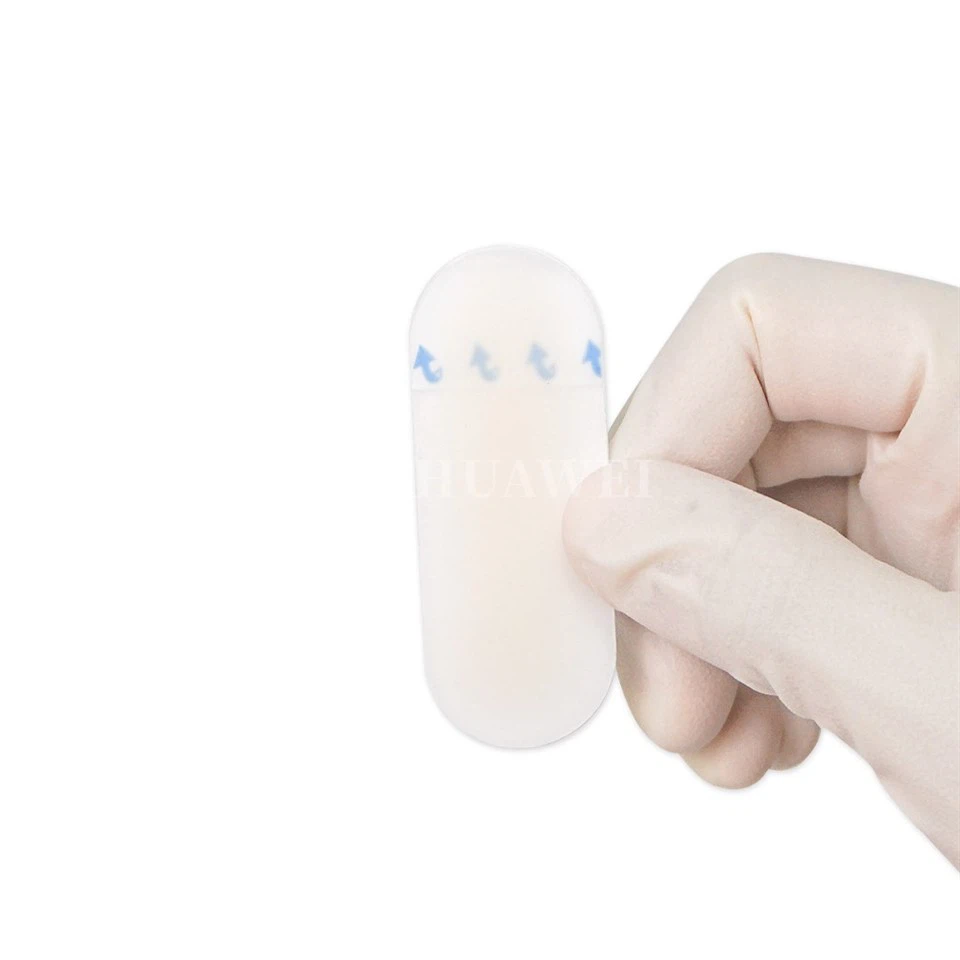
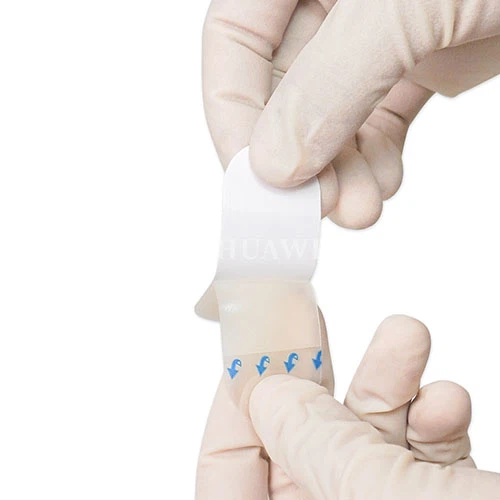
After removing the film, smooth the patch from the center outward, ensuring a tight fit around the edges to avoid wrinkles or air bubbles (focusing on the curve of the heel).
Regular Inspection and Replacement
Normal symptoms: The patch may whitish and swell as it absorbs fluid. This is a functional reaction.
When to Replace: Replace the patch when 80% of the patch turns white or the edges curl. Injured wounds should be inspected daily.
Precautions
Preventive Use: Apply to the heel area prone to friction before hiking or long-distance running to reduce the risk of blistering (the patch should extend 1-2 cm beyond the edge of the range of motion).
Wound Care:
Unbroken blisters: Cover and protect directly, preserving the blister wall. Broken wounds: Disinfect before applying, changing daily.
Contraindications: Contraindicated for those allergic to polyurethane film or gelatin. Patients with diabetic foot should use under a doctor's supervision.
Hot Tags: waterproof hydrocolloid anti blister bandages, China waterproof hydrocolloid anti blister bandages manufacturers, suppliers, factory, Hydrocolloid bandage, Hydrocolloid wound dressing with foam, Hydrocolloid foam dressing, Hydrocolloid dressing with foam backing, Hydrocolloid dressing foam