


Causes of blisters
Physical stimulation: includes external forces such as friction (such as long walking or shoe squeezing), scalds, frostbite or burns, causing damage to the surface of the skin to form blisters.
Anaphylactic reaction: After exposure to allergens such as pollen, dust mites, drugs or certain foods, abnormal reactions in the body's immune system, causing redness, swelling, itching and blisters of the skin.
Viral infections: such as shingles (blisters distributed along the nerves with pain), chickenpox, or hand, foot and mouth disease, are mostly related to low immunity.
Bacterial or fungal infections: such as athlete's foot (phytummy foot) or impetigo, often manifested as local pus bubbles or clear blisters.
Autoimmune diseases or inherent problems: Bullous diseases such as pemphigus and pemphigoids cause blisters due to the immune system attacking skin tissues; drug rashes (drug allergies) or other chronic inflammation may also cause similar symptoms.
If blisters recur or are accompanied by high fever or severe pain, seek medical treatment in time to diagnose the specific cause.
The time of blister disappearance mainly depends on its size, cause and treatment method:
Small blisters: naturally absorbed in 5-7 days, keep them clean and dry, and avoid friction and rupture.
Large blisters: Dry gradually in 2-4 weeks. It is recommended to seek medical treatment to pick them up to avoid causing infection by yourself.


Key factors affecting recovery:
Bubble size and quantity: The bubbles in a small range can recover quickly, and it takes longer to dense or large bubbles.
Site of occurrence: Exposing dry areas (such as the back of the hand) faster than wet areas (such as the toe seams).
Temperature Differences:
The absorption rate of scald blisters is affected by personal constitution ;
Infectious blisters (such as shingles) require drug intervention and cannot rely solely on self-healing;
Whether to break: Standard puncture can accelerate absorption, but improper operation will prolong the recovery period and increase the risk of infection.
The elimination time of friction blisters is mainly affected by the size of the blister, care method and individual differences:
1. Reference for elimination time
Small blisters (diameter <1cm): Usually naturally absorbed and dried up within 1-2 weeks without special treatment. Retaining the blister skin can protect the wound and reduce the risk of infection
Large blisters (diameter ≥1cm): Regressing slowly, generally takes 2-4 weeks; if not treated properly or friction continues, it may be extended to 3-4 weeks or even increase repeatedly
2. Key factors affecting recovery speed
Blister Status: Intact and unbreakable blisters absorb faster, and additional time is required to heal the wound surface after rupture.
Nursing Measures:
Avoiding friction sources (such as replacing loose shoes and socks, using cushioning pads) can accelerate recovery;
Disinfect daily (such as applying iodine) and keep it dry to prevent infection complications
Individual Differences: Differences in skin repair ability, age and local blood circulation may lead to fluctuations in time.


The key to preventing friction blisters is to reduce skin friction, keep your feet dry and scientific protection:
1. Shoes and socks protection (core measures)
fitting shoes
The shoes reserve a gap of one finger to avoid friction caused by squeezing or loosening.
New shoes need to be run-in in advance (short-distance try-on) to avoid being used directly in long-distance activities
Professional sock selection
Refuse to wear pure cotton socks (it is easy to increase friction after absorbing sweat), and use synthetic fiber/wool blend socks.
Recommend five-finger socks to reduce friction between toes or thickened coated socks to cushion heel pressure
️ 2. Physical isolation and lubrication
Pre-protection of easy friction parts
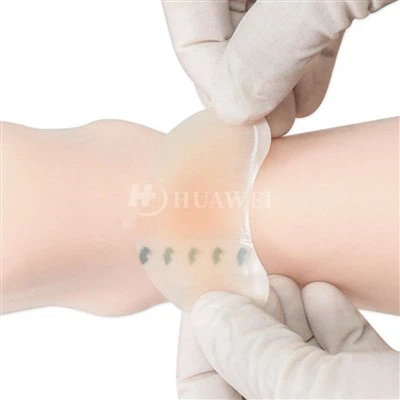
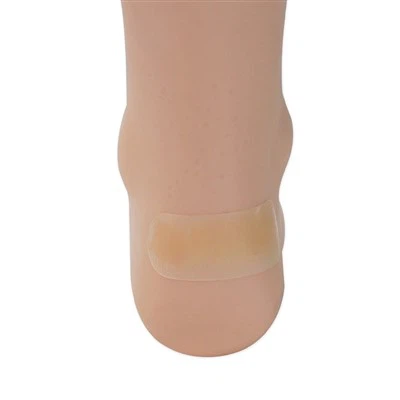
Apply medical tape or silicone pads in advance if you are easily grinded in the heel, soles of the feet, etc.
Use waterproof silicone sleeves to block wet friction in the wading sections
Lutrient drag reduction
Apply Vaseline or lubricant to your toes and heels before hiking to reduce the friction coefficient.
Blister Bandage series
Discover more interesting designs
| products |
 |
 |
 |
|
| Model number | hydrocolloid bandage | foot blister bandage | blister tape | blister pads |
| Color | transparent | |||
| Regular size | 4.5*4.1cm | 6.5*2.5cm | 6*2cm | 6.2*4.2cm |
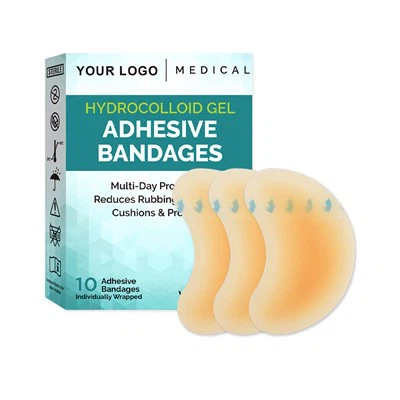
| scope of work | Blister: Care for small blisters or broken blisters formed after friction, especially suitable for epidermal trauma with less exudate. | Crimson: used to protect and accelerate healing of small sores such as corns. | Skin cracks: Repair of skin cracks caused by dry or friction on the feet. | Superficial scalds: Coverage and recovery support for mild scald wounds. |
| Shelf life | 3 years | |||
| Certificate | CE/MDR | |||

Hot Tags: hydrocolloid blister plasters foot blister bandage, China hydrocolloid blister plasters foot blister bandage manufacturers, suppliers, factory, Hydrocolloid bandage, Hydrocolloid dressing foam, Hydrocolloid foam dressing, Hydrocolloid wound dressing with foam, Hydrocolloid dressing with foam backing