








Product Definition and Specifications
Structure and Components
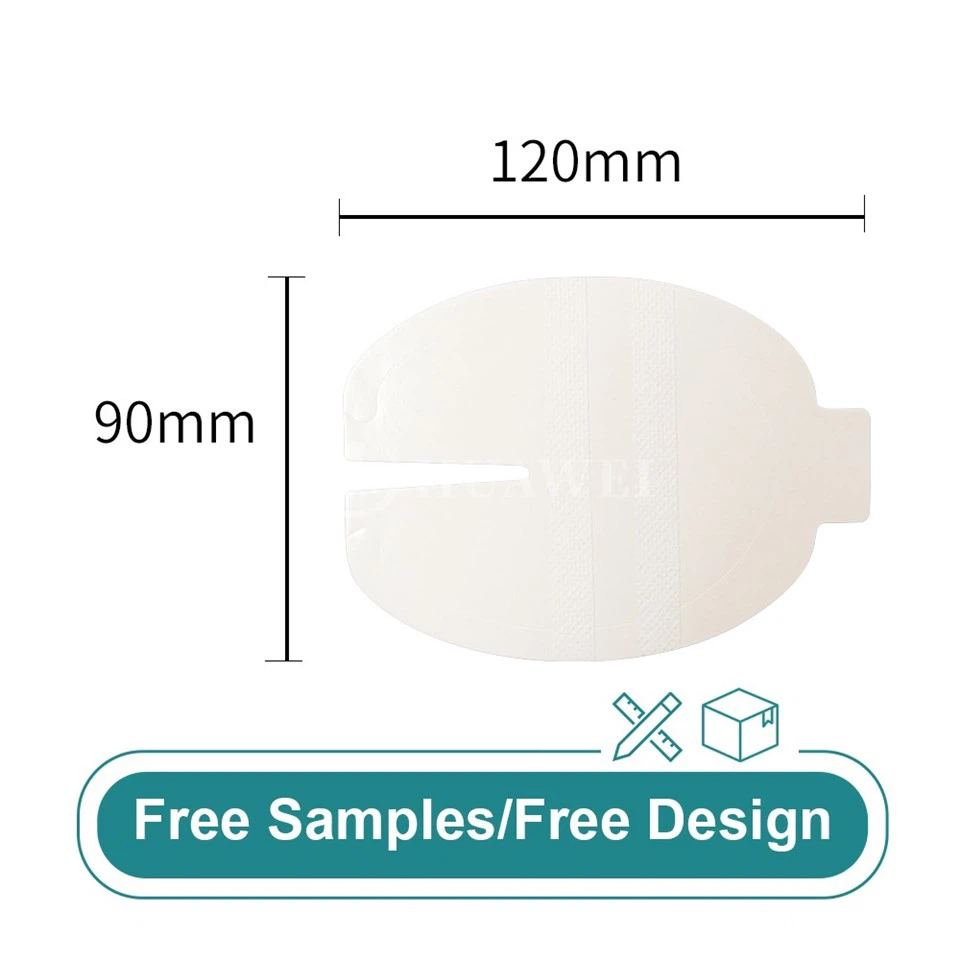
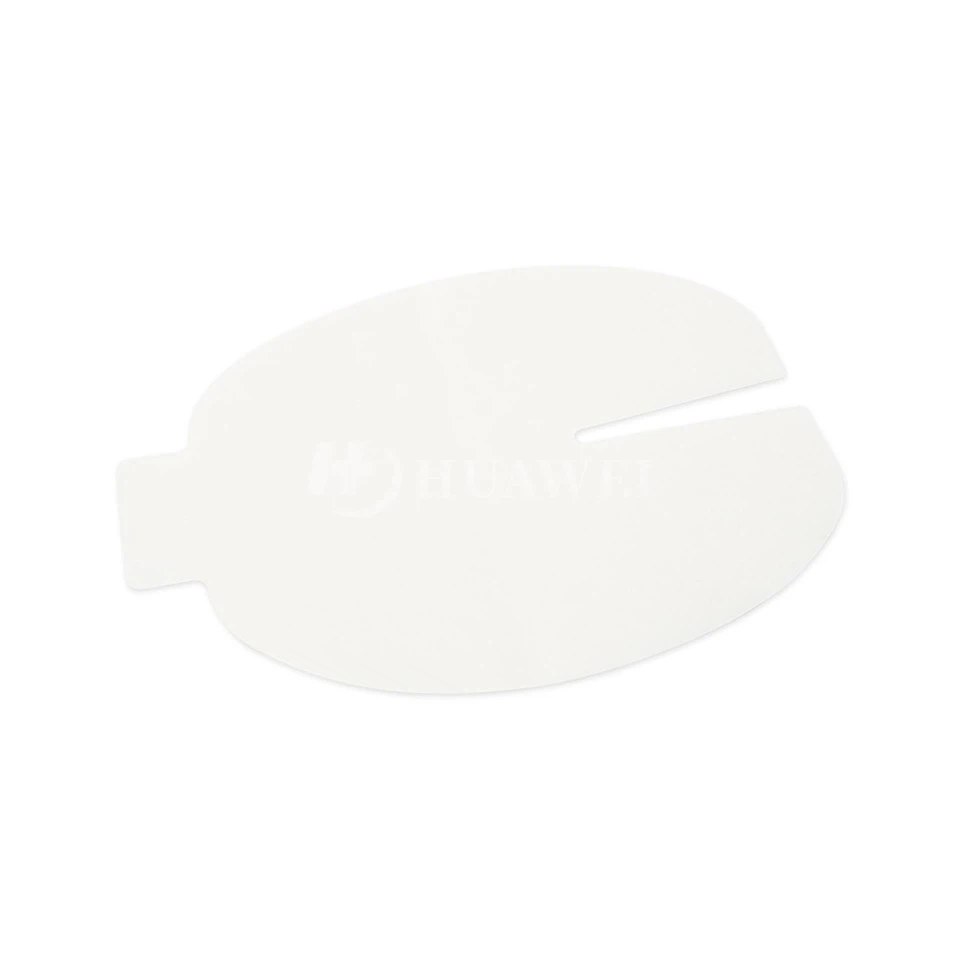
Composed of a film , an adhesive layer (partially containing an absorbent core), and release paper. Designed for sterile use.
Common Specifications: 6×7cm, 6×7cm (U-shaped), 7×9cm, 7×11cm, and with absorbent pad.
Clinical fixed operating procedures
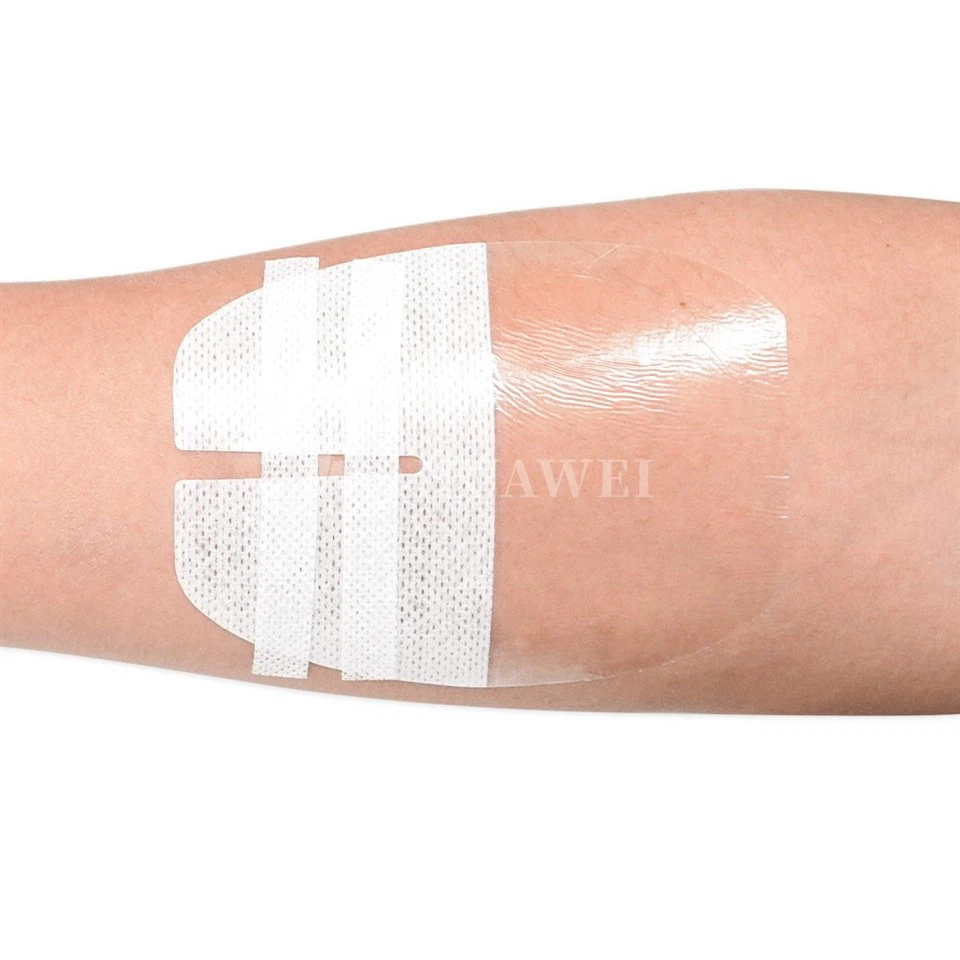
Apply a transparent dressing.
Center the puncture site and cover the skin without tension, avoiding wrinkles.
Secure the catheter and extension tube.
Secure the extension tube in a U- or S-shaped pattern to avoid vascular compression; the Y-shaped connector faces outward.
The heparin cap should be placed higher than the catheter tip to prevent blood reflux.
Critical Area Seal: Seal the isolation plug with a sterile film or reinforce with recording tape.
Cable Clamp Position: After the infusion is completed, clamp the tube at the junction of the catheter and extension tube (the first 1/3) to reduce the risk of blood reflux.


Nursing Precautions
Observe the puncture site
Check daily for redness, swelling, drainage, or pain; address any abnormalities immediately.
Change the dressing if it becomes curled, contaminated, or damp.
Activity and Cleanliness
Avoid heavy lifting, strenuous activity, or pressure on the limb on the catheter side.
Protect the puncture site with a waterproof dressing during bathing; do not soak the puncture site.
Catheter Maintenance
Pulse-flush the catheter (with normal saline) before and after infusions, and disinfect the connector with alcohol for >15 seconds.
Flush the catheter thoroughly after blood/lipid emulsion transfusions, and change the infusion system every 24 hours.
Complication Warnings
Seek medical attention immediately if chills, fever, redness (phlebitis), or blood reflux from the catheter occur.
More information
Standard
ISO13485
Certification
FDA
Protection
Used to fix and protect the indwelling needle, while providing nursing support for the puncture point to ensure the safety and comfort of the infusion process.
Founction
Secures the catheter: The adhesive layer adheres tightly to the skin, preventing it from moving or falling out, reducing discomfort and the risk of accidental traction during patient activity.
Protecting the puncture wound from infection: The transparent dressing layer covers the puncture site and surrounding skin, offering waterproof and antibacterial properties to block external contaminants and reduce the risk of bacterial invasion and infection.
Easy to observe the puncture site: The transparent material allows medical staff to directly inspect abnormalities such as redness, swelling, and exudate without frequently removing the dressing, improving care efficiency.
Assisting with daily care: Some products include an absorbent core or a writeable area to absorb exudate and record information such as the infusion date and patient name, streamlining the medical process.
Benefit
Secures the catheter and prevents displacement: The adhesive layer adheres tightly to the skin, reducing the risk of accidental catheter removal or migration, ensuring continuous and stable infusion.
Reduces the risk of puncture site infection: The transparent dressing layer creates a waterproof and antibacterial barrier, isolating external contaminants and protecting the wound from bacterial invasion.
Easy real-time monitoring of the puncture site: The transparent material allows medical staff to directly observe abnormalities such as redness, swelling, and exudation without frequently removing the dressing, improving care efficiency.
Reduces puncture frequency and patient pain: This eliminates the pain and vascular damage associated with repeated venipunctures, making it particularly suitable for patients receiving long-term infusions or with chronic conditions.
Protecting vascular health: The soft cannula design reduces the risk of phlebitis, making it particularly suitable for infusions of irritating medications (such as chemotherapy agents).
Improves patient comfort and freedom of movement: The breathable layer keeps the skin dry, allowing for moderate movement of the indwelling limb (such as washing hands or light exercise), reducing the feeling of restraint during treatment. Reduce occupational exposure risks for medical staff: The secure fixing design reduces needlestick injuries and ensures operator safety.
How to use
Preparation and Disinfection: After donning sterile gloves, disinfect the skin with a disinfectant (such as iodine) in a reciprocating motion within an 8cm diameter, centering on the puncture site. Ensure the area covered is larger than the size of the dressing. Allow to dry for 30 seconds to prevent adhesion.
Tensionless Application: Hold the dressing with one or both hands, avoiding pulling. Align the center of the transparent dressing with the puncture site and gently drape it down to ensure a tension-free state to prevent mechanical skin damage.
Shaping and Pressing: Gently pinch the protruding area of the catheter connector under the dressing to shape it. Press the entire dressing from the center to the edge with your fingertips, expelling air and ensuring a tight fit. The extension tube should be extended from the left or right edge of the dressing (not the bottom edge) to avoid folding, which can hinder infusion and reduce curling.
Securing and Labeling the Extension Tube: Using a high-lift platform, secure the extension tube in a U-shaped position next to the punctured blood vessel, with the connector cap facing outward for easy infusion connection. Mark the date and operator's name on the dressing label and affix it to the edge for easy visualization of the puncture site.
Replacement and daily care: Replace the dressing every 72 hours or when contaminated or curled. When removing the old dressing, pull horizontally 180 degrees from the pre-incision. After replacement, check the puncture site for redness, swelling, or bleeding. Educate the patient to keep the area clean and dry, and avoid pressure or strenuous activity on the indwelling limb.
Hot Tags: waterproof i.v. transparent film dressing, China waterproof i.v. transparent film dressing manufacturers, suppliers, factory, Hydrocolloid wound dressing with foam, Hydrocolloid dressing with foam backing, Hydrocolloid dressing foam, Hydrocolloid foam dressing, Hydrocolloid bandage


